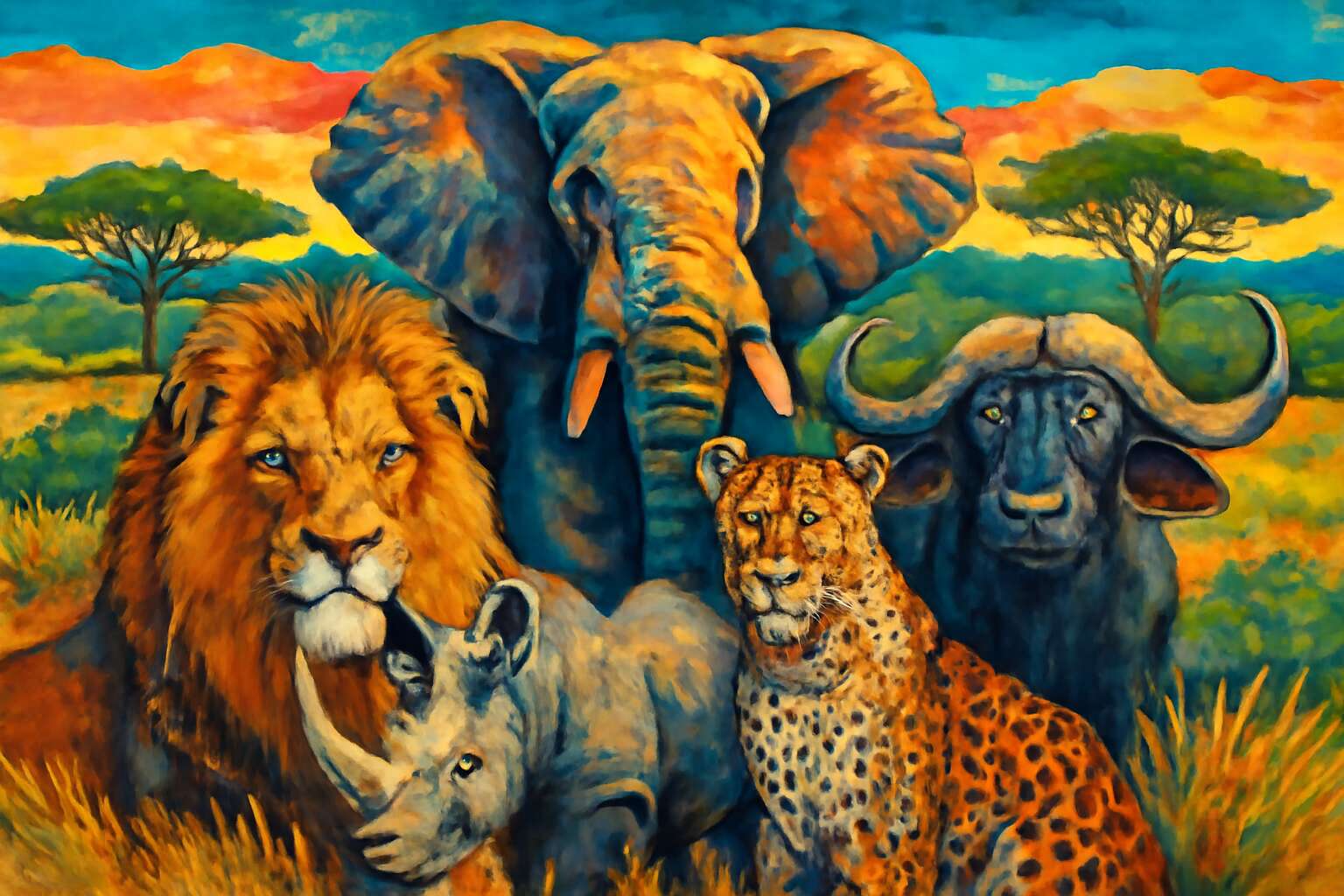
Understanding the Big Five Animals
Overview of the Big Five – History and significance of the Big Five in wildlife photography and safaris
In the realm of wildlife photography, few subjects evoke the same awe as the Big Five. These majestic creatures—lion, leopard, elephant, rhinoceros, and buffalo—hold an almost mythic status, captivating both seasoned safari-goers and casual observers alike. Their significance transcends mere aesthetics; they are emblematic of Africa’s rich biodiversity and enduring conservation challenges.
The term “Big Five” was originally coined by big-game hunters who found these animals particularly challenging to hunt. Today, however, it’s their resilience and regal presence that command admiration. For photographers, capturing the essence of the Big Five isn’t just about snapping pictures; it’s about preserving moments of raw power, grace, and vulnerability. When you browse through a collection of big five pics, each image tells a story—one of survival, dominance, and the delicate balance of nature.
To truly appreciate these icons of the wild, one must understand their historical significance in wildlife safaris. The Big Five’s allure has fueled conservation efforts and inspired countless big five pics that celebrate their grandeur. Whether through a lion’s piercing gaze or an elephant’s gentle trunk, these images serve as a visual testament to Africa’s wilderness heritage.
The Five Animals Explained – Detailed descriptions of Lion, Elephant, Buffalo, Leopard, and Rhinoceros
The Big Five animals are the cornerstone of Africa’s wilderness, each embodying a unique blend of strength, agility, and mystery. These creatures are not only iconic subjects for wildlife photography but also powerful symbols of conservation efforts across South Africa and beyond. When capturing big five pics, every detail—be it a lion’s piercing stare or an elephant’s gentle trunk—tells a story of survival and resilience.
Let’s explore the essence of each animal that makes up this legendary group. The lion is often called the king of the jungle, commanding respect with its regal presence and commanding roar. Its majestic mane and regal stance make for stunning big five pics that evoke awe and admiration. The elephant, with its immense size and gentle demeanor, symbolizes wisdom and strength, often captured in moments that highlight their social bonds and intelligence.
The buffalo, rugged and formidable, is a testament to resilience in the face of adversity. Its massive horns and stocky build make it a striking subject for wildlife photographers seeking powerful imagery. The elusive leopard, master of camouflage and stealth, offers a different challenge—its sleek body and piercing eyes make for captivating big five pics that reveal nature’s artistry.
Lastly, the rhinoceros stands as a symbol of both fragility and strength. With their distinctive horns and thick, armored skin, rhinos evoke a sense of ancient majesty—images that serve as a poignant reminder of ongoing conservation battles. Whether in the shadows of the savannah or the dust of the plains, each of these animals contributes to the rich tapestry of Africa’s wilderness, inspiring photographers to seek out the most mesmerizing big five pics.
Why the Big Five Are Iconic – Cultural, ecological, and photographic importance
Within the shadowed depths of Africa’s wilderness, the Big Five emerge as living legends—each bearing stories etched in the fabric of time. These majestic creatures are more than mere photographic subjects; they embody the very soul of the continent’s ecological tapestry, woven with threads of power, mystery, and resilience. For those who seek the most compelling big five pics, understanding their cultural and ecological significance transforms a simple snapshot into a testament of survival’s quiet poetry.
Why do the Big Five hold such an iconic place in the collective consciousness? Perhaps it is their rarity and raw beauty that evoke awe, or the deep-rooted symbolism they carry—strength, wisdom, and resilience—resonating across generations. For wildlife photographers and conservationists alike, capturing these elusive beings in their natural habitat is a pursuit of profound reverence. The allure of big five pics lies not just in their visual grandeur but also in the stories they whisper—stories of ancient battles, sacred traditions, and the fragile balance of life on the plains.
In the realm of wildlife photography, the Big Five are more than icons—they are the heartbeat of Africa’s wild narrative. Each animal, from the commanding lion to the ancient rhinoceros, offers a window into a world where nature’s poetry unfolds in shadow and light. Their presence is a reminder that the preservation of these majestic creatures is an ongoing battle—one that photographers, conservationists, and nature lovers must undertake with reverence and purpose.
It is in the pursuit of capturing stunning big five pics that the true depth of Africa’s wilderness reveals itself—a haunting, beautiful tapestry where every frame is a chapter of resilience and timeless wonder. The Big Five are not just subjects; they are the guardians of a story that continues to unfold amidst the dust and dawn of the savannah.
History and Origin of Big Five Pics
Origins in African Safari Culture – Historical context of the Big Five in wildlife tourism
The origins of the Big Five in African safari culture are deeply rooted in the rugged history of wildlife exploration and hunting. During the early 20th century, big-game hunters used the term “Big Five” to describe the five most challenging and dangerous animals to track on foot—lion, elephant, buffalo, leopard, and rhinoceros. This nomenclature initially served as a practical guide for hunters, emphasizing the difficulty of each species’ pursuit and the thrill of the chase. Over time, however, these iconic animals transitioned from feared adversaries to treasured symbols of Africa’s wild heritage.
Today, the term “Big Five” has taken on a new significance within wildlife tourism and conservation. It’s no longer about perilous pursuits but about capturing the essence of Africa’s majestic wilderness through big five pics. Photographers and safari enthusiasts flock to protected reserves, eager to immortalize these creatures in their natural habitat. The cultural significance of the Big Five continues to resonate, symbolizing Africa’s rich biodiversity and the ongoing effort to preserve these extraordinary animals for generations to come.
Evolution of Big Five Photography – How Big Five images have influenced wildlife photography trends
In the shadowed corridors of history, the Big Five have long haunted the collective imagination—beasts of legend carved into the tapestry of African wilderness. The evolution of Big Five photography reveals an intriguing transformation, from raw, perilous encounters to hauntingly beautiful Big Five pics that capture the soul of Africa’s untamed heart. These images, often shrouded in a mysterious allure, have become more than mere photographs; they are symbols of resilience, survival, and the relentless passage of time.
As technology advanced, so too did our ability to immortalize these majestic creatures in the stillness of a frame. The rise of digital cameras and sophisticated telephoto lenses ushered in a new era—one where photographers could glimpse the wilderness’s secrets without disturbing its delicate balance. The haunting quality of Big Five pics now serves to evoke emotion, stirring a primal connection that echoes the ancient thrill of the hunt. This dark, poetic shift has influenced wildlife photography trends, emphasizing storytelling through evocative imagery rather than mere documentation.
Indeed, the impact of these Big Five images is profound:
- They inspire conservation efforts by showcasing the raw beauty of Africa’s iconic species.
- They shape the aesthetic standards of modern wildlife photography, blending artistry with ecological truth.
- They fuel the desire to preserve Africa’s wilderness for future generations, ensuring that the legend of the Big Five endures in every hauntingly beautiful Big Five pic.
The Role of Conservation – Impact of Big Five imagery on conservation awareness
The history of Big Five pics is intertwined with the very roots of African safari culture, where these five iconic animals became symbols of adventure and wilderness. Originally, explorers and hunters regarded the Big Five—lion, elephant, buffalo, leopard, and rhinoceros—as the most challenging and dangerous game to hunt. This reputation cemented their legendary status, fueling a fascination that persists today. Over time, this fascination evolved from perilous encounters into a pursuit of capturing their essence through photography, transforming the way we perceive Africa’s majestic creatures.
The role of conservation has become increasingly prominent in the story of Big Five pics. These images do more than showcase beauty—they evoke emotional connections that inspire action. Visual storytelling through stunning wildlife photography has proven to be a powerful tool in raising awareness about the threats facing these species. As a result, many organizations leverage Big Five imagery to galvanize support for conservation initiatives. This impact is evident in the way these images foster a sense of urgency and responsibility among viewers.
- They serve as compelling visual evidence of the richness and fragility of Africa’s ecosystems.
- They enhance public understanding of the ecological importance of each species.
- They motivate sustainable tourism practices that protect these animals for future generations.
Capturing Stunning Big Five Photos
Best Locations for Big Five Photos – Top safari destinations for iconic shots
Capturing big five pics is an adrenaline rush that transforms a simple safari into a legendary tale. South Africa’s premier reserves, such as Kruger National Park and Addo Elephant National Park, offer some of the most iconic safari locations for stunning wildlife photography. These destinations are renowned for their rich biodiversity and the opportunity to photograph the big five in their natural habitat, creating images that resonate with raw power and majesty.
For those seeking the ultimate shot, consider the vast open plains of the Maasai Mara in Kenya or the unique landscapes of Botswana’s Okavango Delta. These top safari destinations provide the perfect backdrop for capturing big five pics that are both breathtaking and evocative. The thrill of catching a lion’s regal gaze or an elephant’s gentle yet commanding presence is unparalleled, making these locations a photographer’s paradise.
- Kruger National Park, South Africa
- Maasai Mara, Kenya
- Okavango Delta, Botswana
- Chobe National Park, Botswana
- South Luangwa National Park, Zambia
Each of these top safari destinations offers unique opportunities to immortalize the big five in their natural environment. The interplay of light, landscape, and wildlife creates images that go beyond mere documentation—these are the big five pics that tell stories of resilience, beauty, and the wild’s unyielding spirit.
Timing and Seasons – Ideal times of year for wildlife activity and lighting
Capturing stunning big five pics hinges on timing and seasonality. Wildlife activity peaks during specific times of the year, offering photographers the best chance to witness these majestic animals in action. In South Africa, the dry winter months from May to September are ideal—animals congregate around waterholes, creating dramatic and intimate moments perfect for big five pics. The lighting during early mornings and late afternoons, known as the golden hours, enhances the scene’s richness, casting warm hues over the landscape and highlighting the animals’ features.
Seasons play a vital role. During the rainy season, from November to March, lush greenery and vibrant landscapes provide a stunning backdrop, but wildlife sightings may be less predictable. Conversely, the dry season offers clearer visibility and more consistent wildlife encounters. For the best results, plan your photography excursions around these seasonal windows, ensuring you catch the big five in their most natural, awe-inspiring moments. The interplay of light, landscape, and animal behavior during these periods creates the perfect environment for iconic big five pics that resonate with power and grace.
Photography Tips – Technical advice for capturing high-quality Big Five images
Capturing stunning big five pics requires a delicate dance with nature’s ever-changing rhythm. The key lies in understanding how to harness the technical aspects of wildlife photography while respecting the animals’ natural behaviors. Use a telephoto lens with a wide aperture—f/2.8 or f/4—to create a beautiful depth of field that isolates the subject and blurs the vibrant landscape behind. Patience is paramount; wait for those moments when the big five reveal their true majesty, whether it’s a lion’s regal gaze or an elephant’s gentle trunk movement.
Lighting plays a pivotal role. Aim to shoot during the golden hours—early dawn or late afternoon—to bathe your subjects in warm, diffused light that accentuates their features. A fast shutter speed—at least 1/1000 second—freezes motion, ensuring your big five pics are crisp and full of life. Don’t forget to pay attention to composition; framing your shot with natural elements like waterholes or acacia trees adds depth and storytelling to each image. With these technical tips, your wildlife images will resonate with power, grace, and undeniable authenticity.
Equipment Needed – Camera gear recommendations for wildlife photography
When aiming to capture stunning big five pics, the right equipment transforms fleeting moments into timeless images. Wildlife photography demands gear that can withstand the unpredictable and often harsh conditions of African safaris. A high-quality DSLR or mirrorless camera with excellent autofocus capabilities ensures you won’t miss those decisive moments that define the majesty of the Big Five.
Complement your camera with a telephoto lens—ideally a 300mm or 400mm prime or zoom lens—that provides the reach needed to photograph these elusive creatures from a safe distance. A wide aperture such as f/2.8 or f/4 is essential for creating a shallow depth of field, which isolates your subject against a beautifully blurred background, adding drama and focus to your big five pics.
Additionally, consider bringing along a sturdy tripod for stability during low-light conditions and a fast memory card to handle high-resolution images swiftly. For optimal results, some wildlife photographers also recommend using a camera with high ISO performance to adapt to varying lighting conditions, especially during dawn or dusk when the animals are most active. By choosing the right gear, every shot becomes an opportunity to capture the raw power and grace of the Big Five, elevating your wildlife photography to a level that resonates deeply with viewers.
Popular Big Five Pics for Collecting and Sharing
Iconic Big Five Photographs – Examples of famous and award-winning images
Few photographic subjects evoke the same sense of awe and reverence as the iconic images of the Big Five. These photographs have transcended mere documentation, becoming symbols of Africa’s wild soul and the enduring beauty of nature’s fiercest inhabitants. Award-winning big five pics often capture the raw power and grace of these majestic animals, stirring deep emotions and inspiring conservation efforts worldwide.
Some of the most popular big five pics feature the commanding presence of lions, their golden manes a testament to regal dominance. Elephant images, with their gentle yet formidable demeanor, often highlight their intricate social bonds. Buffalo shots reveal the robust resilience of herds braving harsh terrains, while leopard photos showcase elusive stealth and striking agility. Rhinoceros images, though increasingly rare, continue to symbolize the urgency of wildlife preservation.
These images are more than mere visual splendors; they are powerful narratives that connect viewers to Africa’s wilderness. The allure of capturing perfect big five pics fuels a global passion for wildlife photography, making each shot a treasured piece of the continent’s living history.
Creating a Big Five Photo Series – Tips for building a comprehensive wildlife photo collection
Capturing the essence of Africa’s legendary wildlife in a collection of big five pics is a pursuit that stirs the soul. For wildlife photographers, creating a compelling big five photo series isn’t just about snapping images; it’s about weaving a narrative that celebrates the raw beauty and resilience of these iconic animals. Each shot holds the potential to evoke emotion, inspire conservation, and deepen our connection to wilderness.
To build a diverse and captivating collection, focus on variety—incorporate different angles, moments, and behaviors. Consider the animal’s environment, capturing interactions that reveal their natural behavior. For those aiming to create a memorable big five photo series, patience and timing are essential. The magic often unfolds during the golden hours, when light transforms ordinary moments into extraordinary visual stories.
Here are some tips for enriching your collection:
- Observe animal behavior carefully, waiting for those genuine moments that showcase their character.
- Experiment with different focal lengths to capture both wide landscapes and intimate portraits.
- Prioritize sharpness and clarity, ensuring your images convey the power and grace of each species.
Whether you’re sharing these images online or adding to a personal archive, each big five pic becomes a testament to Africa’s wild majesty and your own dedication to wildlife photography. These images not only tell a story—they inspire others to see the importance of preserving our planet’s most treasured creatures.
Sharing Big Five Photos Online – Best platforms and strategies for showcasing your images
Sharing your big five pics online transforms a solitary passion into a vibrant tapestry of awe and discovery. Platforms like Instagram and Facebook serve as digital safaris, where each image can evoke wonder and inspire conservation. Harness the power of storytelling through captivating captions and hashtags, drawing viewers into the wild heart of Africa.
For wildlife photographers seeking maximum reach, establishing a presence on dedicated wildlife photography forums or online galleries amplifies visibility. Curating your collection with a strategic eye—highlighting the diversity of your big five pics—ensures each shot resonates with authenticity and emotion.
Using strategic hashtags such as #BigFivePics or #WildlifePhotography can foster community engagement and connect you with like-minded explorers. Remember, every image shared is a portal—an invitation for others to witness the majesty of these creatures and join the movement to preserve their natural habitat.
Legal and Ethical Considerations
Respecting Wildlife – Guidelines for responsible photography in natural habitats
Wildlife photography offers a profound window into the intricate tapestry of life in natural habitats. Yet, capturing stunning big five pics demands a careful balance of artistry and responsibility. Respect for the animals and their environment is paramount; unethical practices can disrupt delicate ecosystems and threaten the very subjects we seek to immortalize. Ethical guidelines serve as a moral compass, ensuring our passion enhances conservation efforts rather than undermines them.
Photographers should always adhere to local regulations and avoid disturbing wildlife. This means maintaining a safe distance and refraining from baiting or chasing animals to achieve a shot. Respectful photography not only preserves the integrity of the habitat but also fosters a positive relationship with conservation authorities and local communities. Remember, the true beauty of big five pics lies in their ability to inspire appreciation and stewardship of our planet’s most iconic species.
- Obtain necessary permits and permissions before venturing into protected areas.
- Prioritize the well-being of animals over getting the perfect shot.
- Minimize noise and movement to prevent stressing wildlife.
Copyright and Usage Rights – Legal aspects of using and sharing Big Five images
When sharing your remarkable big five pics, understanding the legal landscape is crucial. Copyright laws protect the rights of wildlife photographers, ensuring their unique images are not used without permission. Unauthorized use of big five pics can lead to serious legal repercussions, undermining the photographer’s creative rights and financial investment. Always seek proper licensing or permissions before publishing or distributing these captivating images.
In addition, respecting usage rights is essential for maintaining ethical standards. Many wildlife images are protected by licensing agreements, which specify how and where the photos can be shared. Violating these terms not only risks legal penalties but also damages relationships within the conservation community. For this reason, always verify the licensing status of big five pics before incorporating them into any project.
- Obtain explicit permission from the photographer or rights holder.
- Respect licensing agreements and usage restrictions.
- Credit photographers appropriately to acknowledge their work.
By comprehending these legal and ethical considerations, wildlife enthusiasts and content creators can ensure their admiration for the big five remains responsible and sustainable. This approach safeguards the integrity of the images and promotes a culture of respect—both for the majestic animals and the talented photographers capturing their grandeur.
Supporting Conservation Efforts – How your photography can aid wildlife protection
Conservation efforts hinge on the responsible sharing of wildlife images, especially when it comes to the iconic big five pics. Every photograph captures a story of resilience, beauty, and the urgent need to protect these majestic creatures. When sharing these images, respecting legal and ethical boundaries isn’t just about avoiding penalties—it’s about honoring the animals and the photographers who dedicate their lives to capturing their grandeur.
Many wildlife photographers rely on licensing agreements to safeguard their work. Violating these rights not only damages relationships within the conservation community but also diminishes the impact of your message. To truly support conservation, always obtain explicit permission and credit photographers when sharing big five pics. Respecting licensing restrictions ensures that these powerful images continue to inspire awareness and action.
- Promote sustainable tourism by sharing images responsibly.
- Amplify conservation campaigns with genuine respect for intellectual property.
- Help foster a culture of integrity and admiration for wildlife photography.
Ultimately, your passion for the big five can become a catalyst for change—if rooted in respect for the legal and ethical considerations that protect these precious animals and their images. When done thoughtfully, your wildlife photography becomes more than just stunning visuals; it transforms into a vital tool for conservation and education.
The Future of Big Five Photography
Emerging Technologies – Drones, 360° cameras, and AI in wildlife photography
The future of big five pics is about to get a technological facelift that would make even the most seasoned wildlife photographer do a double take. Emerging innovations like drones, 360° cameras, and artificial intelligence are transforming the way we capture Africa’s most iconic creatures. Imagine a drone gracefully hovering over the savannah, snapping high-resolution shots of a charging elephant or a stealthy leopard lurking in the shadows. This isn’t just science fiction; it’s rapidly becoming reality.
360° cameras, with their immersive perspectives, allow photographers to craft panoramic tales of the Big Five, offering viewers an almost life-sized encounter with these majestic beings. Meanwhile, AI-powered software is revolutionizing wildlife photography by automating focus, exposure, and even identifying the animals in real-time—no more guessing games in the bush. These technological marvels promise to elevate big five pics to new heights, making each shot not only more stunning but also more responsible and ethical in approach.
In fact, here are some cutting-edge tools shaping the future of big five pics:
- Drone surveillance for dynamic, bird’s-eye views
- 360° cameras for immersive storytelling
- AI algorithms for quick identification and image enhancement
As these innovations continue to evolve, they will undoubtedly deepen our connection to Africa’s wildlife while fostering conservation efforts—because capturing the essence of the Big Five has never been more exciting or vital.
Impact of Climate Change – Challenges and opportunities for Big Five images
The impact of climate change on Africa’s iconic wildlife is undeniable and accelerating. As temperatures rise and rainfall patterns shift, the habitats that sustain the Big Five are under threat. This presents both challenges and opportunities for wildlife photographers aiming to capture stunning big five pics. Changing migration routes and altered animal behaviors make it harder to find these species at traditional hotspots. However, these shifts also open new avenues for innovative photography, pushing creatives to explore less-visited areas and document the evolving landscape.
Photographers are increasingly using emerging technologies like thermal imaging and remote sensing to track elusive animals—ensuring that big five pics remain captivating and meaningful. Conservation organizations leverage compelling imagery to raise awareness about these pressing issues, turning each shot into a statement for action. In this way, the future of big five photography is intertwined with efforts to preserve Africa’s wilderness for generations to come.
Preserving the Big Five Through Photography – Promoting awareness and conservation initiatives
The future of big five photography is a testament to both resilience and innovation in the face of ecological upheaval. As climate change continues to alter Africa’s landscapes, wildlife photographers find themselves at a pivotal crossroads—capturing stunning big five pics that not only dazzle the eye but also ignite the conscience. Each image becomes a powerful narrative, weaving stories of survival, adaptation, and hope.
Through the lens, emerging technologies such as thermal imaging, remote sensing, and AI-driven tools are revolutionizing how we document these majestic creatures. These innovations allow us to trace elusive movements and behavior shifts, ensuring that every shot captures the raw, unfiltered essence of life in the wild. As conservation initiatives gain momentum, compelling imagery serves as a catalyst for awareness—turning each big five pic into a call to action.
In the grand tapestry of wildlife preservation, photography is both an art and a voice—a bridge connecting the beauty of the Big Five with the urgent need for their protection. By showcasing these iconic animals in their evolving habitats, photographers help craft a future where the majestic presence of the big five endures, inspiring generations to come.



0 Comments