Unpacking the Term Big Five
What Travelers Mean When They Say the Big Five
Most travelers arrive expecting to spot the “Big Five” of African safari lore. They scan the volcanic slopes for elephants and lions, but Hawaii offers no such beasts. That search misses the real story. The phrase big five hawaii means something entirely different, and it is far more unsettling.
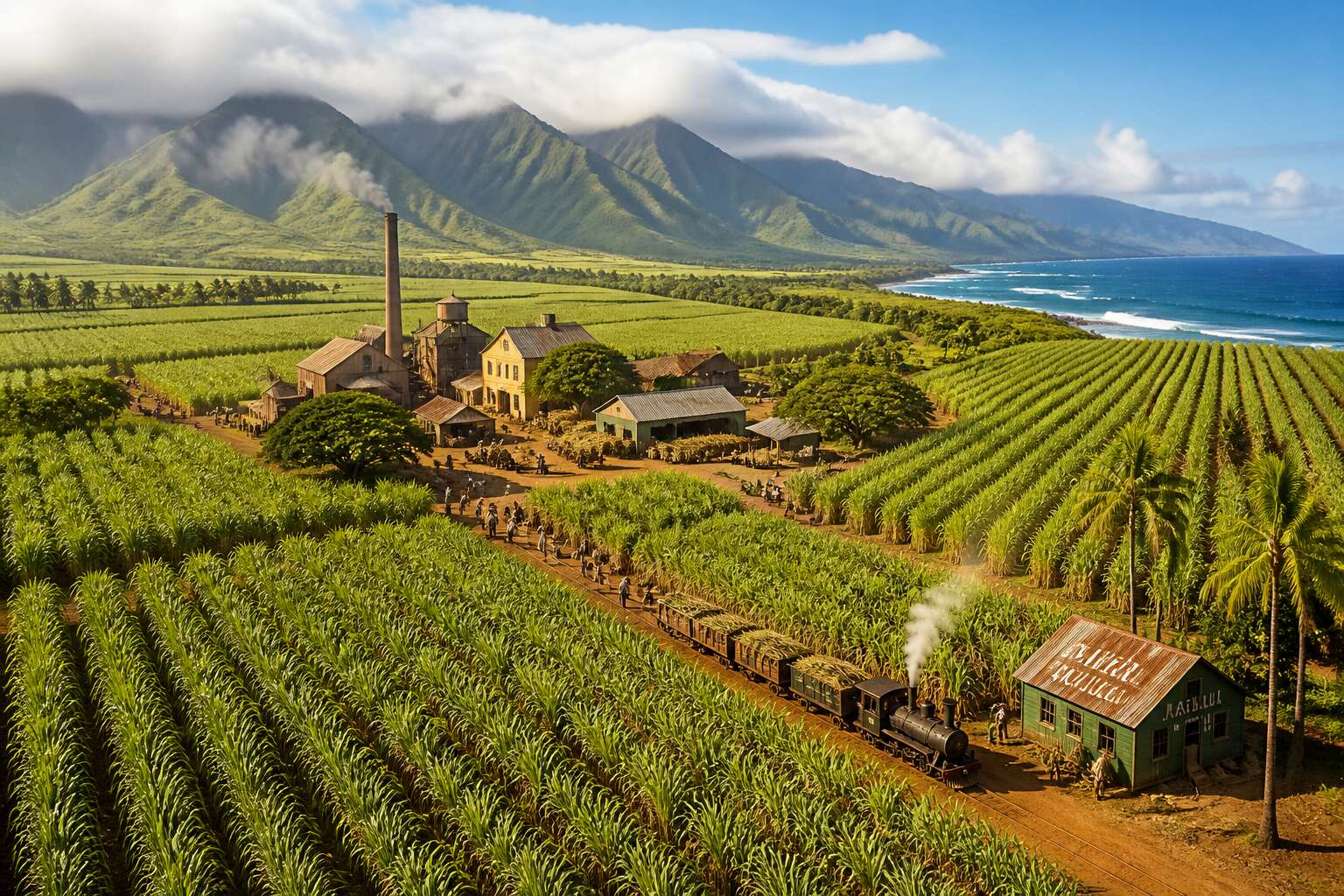
The term actually refers to a cartel of sugarcane plantations that dominated the islands for over a century. These five corporations controlled the land, the banks, and the shipping routes.
Here is the infamous roster:
– Castle & Cooke
– Alexander & Baldwin
– C. Brewer & Co.
– Theo H. Davies & Co.
– American Factors
This oligopoly wielded immense power over local politics and labor. Their grip reshaped the economy, turning the islands into a single-crop outpost. When visitors ask about the big five hawaii today, they are probing the ghosts of a feudal past. The legacy of these corporate dynasties remains a defining, often uncomfortable, chapter in the state’s history.
How the Phrase Crossed Over from African Safaris
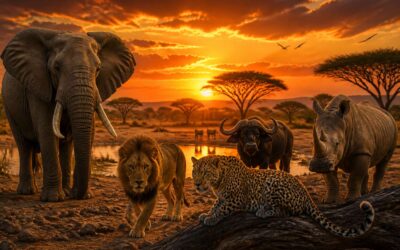
In the late 1800s, British big game hunters coined “Big Five” for the elephant, lion, leopard, buffalo, and rhino. The phrase traveled through colonial travelogues into common speech. By the 1920s, it meant any ruling group of five, far removed from hunting.
That drift explains how big five hawaii took root. The plantations borrowed the phrase wholesale. They replaced wild animals with corporate dynasties. They replaced the savanna with sugarcane fields.
The crossover carried an unspoken message. In Africa, the term measured danger and skill. In Hawaii, it measured land ownership and political control. The words stayed identical. The power dynamics were worlds apart.
Why Hawaii Is a Different Kind of Big Five Destination
Hawaii’s Big Five never fired a rifle. In place of tusks and claws, five conglomerates controlled land, labor, and governance. Their authority was quiet, embedded in ledgers and payrolls.
This is why big five hawaii is a distinct destination. You cannot observe these powers from a safari vehicle. They surface in plantation towns, court records, and the remains of old sugar mills.
- Amfac
- Castle & Cooke
- Alexander & Baldwin
- C. Brewer
- Theo H. Davies
Each firm shaped legislation and immigration policy for generations. To travel here with that knowledge is to see beyond beaches and volcanoes.
Common Misconceptions and Local Perspectives
The term big five hawaii trips up newcomers. They picture elephants and rhinos. Locals picture sugar mills and payroll ledgers. That gap in understanding shapes every conversation about the islands, and I noticed it immediately during my first visit.
Misconceptions pile up quickly:
- The Big Five were a wildlife viewing package
- The companies disappeared after statehood
- Hawaiians today regard them with nostalgia
None of these hold up. For many Native Hawaiian families, the five companies are a lived memory of dispossession and plantation labour. The economic control these firms held for over a century still influences land ownership patterns today.
Younger voices complicate the picture. Some artists and writers use the term as a critique of corporate power. Others avoid it entirely. The conversations I had revealed a Hawaii that rarely appears in travel brochures.
The Five Iconic Hawaiian Landscapes
Volcanic Craters and Lava Fields
Hawaii’s volcanic craters are not dormant monuments. They are active laboratories. Kilauea’s summit caldera has collapsed and refilled multiple times, a cycle visible in the stratified walls. Travelers often expect a single overlook, but the ground here shifts by the hour.
Lava fields differ. Pahoehoe forms twisted ropes, while a’a breaks into jagged clinkers. Walking across them reveals how recent eruptions have erased old trails. The scale of black rock stretches to the horizon.
- Steam vents often line the crater rim
- Thin crusts of lava hide beneath black rock
Active flows occasionally cross roads, forcing closures. This is the only place in the big five hawaii where the ground itself dictates the route.
Rainforests, Waterfalls, and Botanical Gardens
The rainforest holds a different kind of history. Moss drapes every branch, and the air carries a weight that presses against the skin. In this green dimness, the big five hawaii reveal a softer side. Streams cut narrow channels through the soil, feeding waterfalls that drop into clear pools.
Those falls often hide behind sudden turns. The water does not roar; it hums. Botanical gardens nearby display what the wild cannot, with hibiscus bred for colour and plumerias that never touch the ground.
- Hapu’u ferns unfurl slowly, one frond per month.
- Many garden paths follow ancient ahupua’a boundaries.
Each trail offers a different measurement of time.
Beaches Shaped by Volcanoes and Coral
Roughly 10,000 beaches exist across the Hawaiian Islands. Each one forms from lava or coral. Black sand appears where basalt crumbles. White sand comes from coral skeletons. The big five hawaii includes these shores alongside craters and forests.
Green sand beaches contain olivine. Some shores are glass-like basalt. I have walked on both in a single morning!
- Black sand from lava
- White sand from coral
- Green sand from olivine
That contrast defines the islands. A wave here carries volcanic glass. A wave there carries crushed coral. No other place in the Pacific mixes this geology so tightly.
Coastal Cliffs and Sea Arches
Molokai’s north shore holds sea cliffs that drop over 1,200 meters into the Pacific. These are the tallest sea cliffs on Earth. I have stood at the Kalaupapa lookout, and the drop feels endless. The cliffs formed as the island’s weight caused it to tilt, leaving sheer walls of basalt exposed to the open ocean.
Kauai’s Na Pali Coast is different. The cliffs rise in layered ridges, cut by waterfalls and narrow valleys. Sea arches appear where the ocean has eaten through headlands. The Honopu Arch is the most famous, a natural bridge of basalt connecting two rock pillars.
Erosion creates other features too:
- Blowholes that spout seawater through lava tubes
- Sea caves hollowed out along fault lines
- Stacked rock columns left behind after arches collapse
The big five hawaii includes these dynamic edges. They show how the islands keep changing.
Mountain Summit Views and Scenic Drives
Catching a sunrise from Haleakala’s 3,055 meter peak requires a 3 a.m. alarm and a patient rental car. The reward is a sea of clouds below you, with Maui’s other volcanoes poking through. Drive up Mauna Kea on the Big Island and you enter a different realm. The air thins, the sky turns deeper purple, and telescopes glitter like robotic flowers.
Here is where big five hawaii earns its superlatives. Scenic drives are part of the package. The road to Hana has 620 curves and 59 bridges, each hiding a waterfall. The drive to Waimea Canyon on Kauai is an hour long, and every turn unspools a new layer of red rock. For those who prefer to stay grounded, consider these summit views:
- Haleakala’s crater at dawn.
- Mauna Kea’s visitor center at sunset.
- The Kīlauea overlook, where steam rises.
Marine Life and Wildlife Highlights
Humpback Whales During Winter Migration
Each winter, roughly ten thousand humpback whales arrive in Hawaiian waters from Alaskan feeding grounds. I have watched their spouts break the surface near Lahaina, a spectacle that draws visitors from around the world. These whales are a defining element of the big five hawaii experience, though they rarely appear in glossy brochures.
Their songs travel for miles underwater. Males repeat complex phrases, changing them slowly over a season. Mothers nurse calves in warm, sheltered bays. Between December and April, you might witness a breach, a full body launch that ends with a loud splash.
- Breaching, where the whale leaps clear
- Peduncle slaps, striking the tail on water
- Spy hopping, pausing upright to look around
These behaviors remind us that the big five hawaii covers more than land. The sea holds its own giants.
Sea Turtles and Reef Ecosystems
Off the shores of Maui, green sea turtles glide over coral beds. Their shells carry scars from tiger sharks. The reefs pulse with a hidden order.
Each year, over 1,000 green sea turtles return to the same Hawaiian reefs. I have watched them graze on algae, their flippers moving with a steady rhythm. The reef ecosystem depends on these turtles. They keep coral beds healthy by trimming overgrowth.
One dive spot near Kona reveals a world of interactions. The big five hawaii extends beneath the waves. Reef sharks patrol the edges. Parrotfish bite off dead coral, excreting sand. Moray eels lurk in crevices.
- Green sea turtles nest on specific beaches
- Honu, as locals call them, can live over 80 years
- Hawksbill turtles prefer deep sponge feeding
The health of these reefs signals the health of the entire region. When ocean temperatures rise, corals bleach. Turtle populations decline. For anyone exploring the big five hawaii, the underwater world demands equal attention.
Dolphins, Spinner, Spotted, and More
At dawn, spinner dolphins enter Maui’s bays in tight formations. Their leaps serve a purpose. They spin to shed parasites, to signal, to discharge excess energy before resting in the shallows. I once counted seven rotations in a single jump off Lana’i. Spotted dolphins hunt in deeper channels, their pale markings shifting with age. Manta rays drift through plankton blooms offshore, mouths open. Hawaiian monk seals haul onto remote beaches, solitary and watchful. Few visitors expect these encounters when they seek the big five hawaii.
The pod moves as one body. What is known of them carries its own weight:
- Spinner dolphins rest by day and hunt at night
- Spotted dolphins often approach boats out of curiosity
- Monk seals tolerate no company
Sunlight fails quickly beyond the reef. What surfaces tells only part of the story.
Hawaiian Monk Seals and Shoreline Safety
The Hawaiian monk seal numbers around 1,400 in the wild. That makes it one of the most endangered marine mammals on Earth. Spotting one feels like a privilege, but it carries responsibility.
These seals haul out to digest and regain energy. Disturbing them can cause stress or abandonment of pups. When you encounter one on your big five hawaii journey, keep your distance.
- Stay at least 50 feet away
- Keep dogs leashed and away
- Never feed or touch a seal
Monk seals are territorial. They move faster than they look. So give them space. That is the whole rule!
Best Spots for Ethical Wildlife Viewing
The twilight waters off the Kona Coast stir with shadow and grace. Manta rays arrive at night, drawn by plankton lights, each pass a silent ballet. This is the hidden heart of the big five hawaii, a living theatre where the ocean reveals its strangest inhabitants.
Ethical viewing hinges on patience and restraint. Choose operators who limit group sizes and forbid touching. Twilight manta dives, snorkelling at Molokini’s sheer coral walls, and seabird colonies at Moku Nui all offer windows into this world:
- Observe from drift distances, never chase
- Use reef-safe sunscreen and keep hands clear
- Book with certified eco-guides who know local currents
Each site demands respect, or the spectacle vanishes. The ocean doesn’t perform for us. It tolerates our presence, if we earn it. So let the current carry you, quietly, and the big five hawaii shows you what it guards.
Culture, History, and Island Traditions
The Roots of Polynesian Voyaging
Ancestral Polynesians sailed across the largest ocean on Earth without maps or compasses. Their canoes carried more than people; they carried stories, genealogies, and a cosmology woven into every wave. The big five hawaii often showcases volcanic spectacle and marine life, yet the quieter narrative of voyaging defines the islands’ soul.
Navigators studied the sky’s turning vault, the rhythm of swells, and the flight paths of manu o Kū. They read the sea’s color and the wind’s taste. These traditions persist in modern wayfinding, where ancient knowledge meets contemporary resolve.
The cultural practices remain living:
- Star compasses mapping 32 house directions
- Ocean swell patterns as subtle roads
- Cloud and bird behavior indicating land
For those seeking the big five hawaii experience, understanding this heritage transforms sightseeing into reverence.
Sacred Sites and Heiau Temples
The heiau temples of Hawaii are not mere ruins. They are places of power, where the physical and spiritual worlds meet. These sacred sites served as centers for prayer, politics, and agricultural rituals, each stone placed with intention by a culture deeply connected to its environment. They are the hidden anchors of the big five hawaii experience, often missed in the rush between volcanoes and beaches.
Different islands hold different forms of these temples. You will find agricultural temples, healing temples, and great war heiau with massive stone platforms. The island of Maui, for example, holds Piilanihale Heiau, the largest in the state. But it is not just about scale. The quiet, moss-covered shrines tucked into valleys speak just as loudly.
The construction itself was an act of reverence. Rocks were passed hand to hand in human chains, a communal offering made before the structure even existed. For any journey through the big five hawaii, understanding this layer of history is essential:
– The use of coral and basalt in construction
– The orientation of entrances towards specific stars
– The role of the kahuna, or priest, in daily life
– The kapu, or sacred laws, that governed access
These were not places for casual visitation. They were the beating heart of a sophisticated social order. The mana, or spiritual energy, is still tangible if you stand quietly and listen to the wind move across the old rocks.
Hula, Mele, and Contemporary Festivals
Hula is a precise system of storytelling through movement. Every hand gesture carries meaning, every step remembers a story from the islands’ past. For the big five hawaii traveler, these traditions offer a way to see beyond the landscape.
Mele, or chants, preserve genealogies, weather patterns, and the moods of ancient chiefs. Contemporary festivals like the Merrie Monarch Festival celebrate this living culture with fierce grace. You might witness:
- Ancient hula kahiko pulsed by drumbeats
- Modern hula auana accompanied by guitars
- Chant workshops held in open-air halau
Each island adds its own rhythm. These traditions change with every generation, inviting you to listen and learn.
Local Food Culture from Poke to Plate Lunches
In Honolulu, the plate lunch is a working person’s ritual. For the big five hawaii traveler, it offers a direct line to local taste. I watched aunties at a corner deli heap mac salad, teriyaki beef, and sticky rice onto a foam container. The poke trend started here, but the real thing is simpler: fresh ahi, sea salt, and limu seaweed.
Each island adds its own spin. Maui layers in sweet onion. Kauai keeps it rustic. The lineup changes daily: kalua pork, lomi salmon, or chicken long rice. A good plate lunch costs ten dollars and vanishes in minutes. Try shoyu poke at a fish market or opah from a roadside stand. This is food shaped by trade winds, shady trees, and fishing boats that come in before sunrise.
Lauhala Weaving and Other Living Crafts
Lauhala weaving is not a souvenir industry. It is a living archive. In the hands of a master crafter, pandanus leaves become a physical record of Hawaiian identity. The practice predates European contact, when every hale, mat, and sail depended on these fibrous strips. To understand the big five hawaii as a concept, you must first understand that these traditions are not staged performances for tourists. They are practiced in homes and community centers across the islands.
The process demands patience. Leaves are harvested, stripped, and boiled. They are then dried for days until they turn a pale, sun-bleached gold. Weavers use their fingernails to split the leaves into precise widths, a skill that takes years to master. The finished objects, from simple bracelets to intricate hats, carry the smell of the earth and the memory of the rain.
Modern artisans now weave with a contemporary urgency, ensuring the craft survives the digital age. They teach in schools and sell at local markets. For travelers seeking the big five hawaii experience, witnessing this work is a lesson in sustainability that predates the word itself.
– The `lau` is the leaf of the hala tree.
– Patterns often encode family genealogy.
– Some weavers use natural dyes from native berries and bark.
These crafts are not frozen in a museum case. They are dynamic, adapting to new uses while holding onto old secrets. Kapa cloth, once beaten from wauke bark, is being revived by a new generation of women who carry the rhythmic thump of the stone beater into the future. The big five hawaii journey becomes richer when you recognize that these objects are not just things to buy. They are conversations with ancestors, passed hand to hand.
Planning a Trip to Experience the Island Icons
Choosing Which Islands Match Your Travel Style
You cannot see every Hawaiian island in one trip, so the real art lies in choosing which ones deserve your limited vacation days. That decision forms the backbone of any successful big five hawaii adventure, and it requires more than a glance at postcard photos. Each island offers a distinct social rhythm, from hurried to unhurried, and your personality will either thrive or fray.
Before you commit to a route, ask yourself a few pointed questions.
- Do you prefer dining out nightly or picnicking on a quiet shore?
- Is a full day of trail walking a reward or an ordeal?
- Do you want a rental car for spontaneity, or are you content with scheduled shuttles?
These answers will steer you toward the right distribution of days. A well-planned big five hawaii expedition respects your quirks, not just the famous landmarks. Choose with honesty, and you will leave with stories worth repeating.
Seasonal Considerations for Whale Season and Dry Season
Winter transforms the rhythm of the islands. The big five hawaii destinations reveal their wilder character between December and April, when humpback whales return to the shallow channels. Their presence turns any coastal drive into a spectacle. On the northern shores, the air carries a sharper chill, and the surf rises with intent. Travelers who crave this energy should target these months without hesitation.
The dry season runs from May through October. This window offers the most stable weather and the calmest waters for snorkeling. Trails feel less like a slog in the mud and more like a deliberate stride through sun-drenched forest. If your itinerary leans heavily on summit views or volcanic craters, the dry season delivers clarity. The summer months also align with the best roster of cultural festivals, and the nights stay long enough for impromptu beach gatherings.
– December to April guarantees whale sightings.
– May to October provides dependable sunlight.
– Shoulder months, April and November, balance both worlds.
Each season demands a different wardrobe and a different pace. The big five hawaii icons, from the cliffs of Molokai to the craters of Haleakala, shift their moods with the calendar. Early summer mornings invite a quick swim. Winter afternoons reward a patient eye on the horizon. Knowing the seasonal constraints refines your packing list and your expectations, which is half the battle on any long-haul flight.
Guided Excursions Versus Independent Exploration
Most visitors encounter the big five hawaii from a rental car window, yet the islands offer two distinct modes of access. Guided excursions open private ranchlands, restricted crater rims, and the narratives held by local caretakers. In my experience, a guide turns a volcanic slope into layered history.
Independent exploration rewards a different traveler. A solo trail at dawn, a spontaneous swim at a hidden cove, these moments arrive without a schedule. You trade deep context for the pleasure of surprise.
The right choice depends on your priorities:
- Guided trips for cultural access and navigated terrain
- Self-guided for flexibility and silence
Whichever route you choose, the big five hawaii stay with you.
Packing and Safety Tips for Changing Ecosystems
Planning a trip around the big five hawaii demands more than a flight booking. The archipelago’s ecosystems shift from lava fields to cloud forests within an hour’s drive. Pack layers, because elevation changes temperature quickly. Reef safe sunscreen is non negotiable for the ocean zones. Hiking boots with grip matter on wet volcanic rock.
Carry a refillable bottle and snacks. Many trails lack shade and water sources. Check weather alerts before dawn drives. The sun here burns fast, even under overcast skies. I always confirm trail conditions the night before.
- Pack a rain shell for sudden showers
- Bring reef safe sunscreen for ocean swims
- Carry cash for small food stands
Respect the terrain and the big five hawaii will reward your preparation.
Family-Friendly, Luxury, and Budget Options
Nearly every visitor arrives with a singular goal: to glimpse the big five hawaii in a way that feels earned. Yet the path to that encounter splits according to budget and temperament. Families gravitate toward the dry plains of Maui’s upcountry, where ranch-style lodges offer quick access to the coastline and a base for early morning drives. Luxury travelers prefer the Kohala Coast, where private lanais overlook the water and the big five hawaii comes into view through curated excursions rather than crowded tour vans. Budget planners lean into Oahu’s tucked away hostels, trading amenities for proximity to the trails.
The island contexts shift how you read the landscape. A sunset search for the big five hawaii from a resort terrace feels different from the same search on foot at dawn. Both are valid. The accommodation choice defines the rhythm of the day more than the itinerary itself. I have watched families bond over simple wildlife encounters, while solo travelers often report that a shared shuttle ride created the most memorable experience.
Reserve lodging with flexible cancellation policies, since the inter-island weather can reroute plans without warning. And when you see the big five hawaii for the first time, the moment arrives without fanfare. That is exactly how the islands intend it. Your job is simply to be ready when it happens.



0 Comments