Overview of Africa’s Big Five
Introduction to the Big Five – Definition and history of the term ‘Big Five’ in hunting and conservation
Hunting the Big Five in Africa isn’t just about the pursuit of trophy animals; it’s a journey into the heart of a continent where legends walk among us. The term “Big Five” originally emerged from the early days of big-game hunting, referring to the five most difficult animals to hunt on foot — lion, elephant, buffalo, leopard, and rhinoceros. These majestic creatures symbolize both challenge and prestige, captivating hunters and conservationists alike.
Today, the phrase has evolved beyond its hunting origins, often representing the pinnacle of African wildlife safaris. It’s a symbol of adventure, rarity, and the profound connection between humans and nature. While the term was once associated with danger and dominance, it now underscores the importance of sustainable practices and conservation efforts. For those pursuing hunting the Big Five in Africa, understanding the history behind the term adds a layer of respect and reverence for these iconic species.
The Significance of the Big Five – Cultural, ecological, and economic importance in Africa
The Big Five are more than just icons of African wildlife; they are woven into the very fabric of the continent’s soul. Each animal—lion, elephant, buffalo, leopard, and rhinoceros—holds profound cultural significance for local communities, representing strength, wisdom, and resilience. In many regions, these species are intertwined with traditions, stories, and rituals, reflecting their deep-rooted importance in African heritage.
Ecologically, the Big Five serve as keystone species, maintaining the delicate balance of their ecosystems. Their presence indicates the health of the environment, and their conservation is vital for biodiversity. For those interested in hunting the Big Five in Africa, understanding this ecological significance fosters respect for the habitat and the ongoing efforts to preserve these majestic creatures. Economically, wildlife tourism centered around these iconic animals generates substantial revenue, supporting local communities and conservation initiatives alike. It’s a complex dance where tradition, ecology, and economy converge, making the pursuit of the Big Five a meaningful journey beyond mere adventure.
List of the Big Five – Lion, elephant, buffalo, leopard, and rhinoceros
Few pursuits evoke the grandeur and gravitas of hunting the Big Five in Africa—a venture that combines adrenaline, tradition, and a touch of the sublime. This iconic list comprises five formidable creatures, each commanding respect and awe. These animals are not just targets; they are the very embodiment of Africa’s wild heart. For those venturing into the wilderness with bows or rifles, understanding the core of this legendary roster is essential.
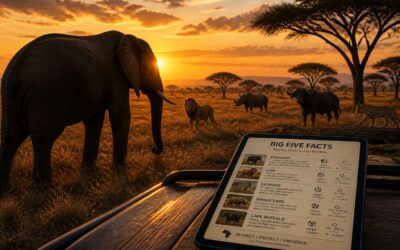
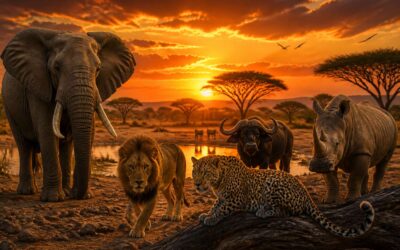
The Big Five are: the lion, elephant, buffalo, leopard, and rhinoceros. Each species boasts unique characteristics, from the lion’s regal roar to the elephant’s colossal presence. Notably, they have been historically regarded as the most challenging game to hunt, earning their legendary status. Their inclusion in any safari signifies a true test of skill and patience, transforming what might seem like a mere hunt into a profound safari experience.
To truly appreciate hunting the Big Five in Africa, it’s important to recognize their ecological and cultural significance, which elevates the activity from mere sport to a celebration of Africa’s majestic wilderness. Their majestic presence continues to inspire conservation efforts, ensuring future generations will also have the chance to encounter these awe-inspiring animals.
Best Destinations for Hunting the Big Five
Kenya – Maasai Mara and its renowned hunting grounds
Few destinations evoke the raw thrill of hunting the Big Five in Africa quite like Kenya’s Maasai Mara. This renowned wilderness offers more than just stunning vistas; it’s a sanctuary where the legendary predators and pachyderms roam freely, embodying the very essence of Africa’s untamed spirit. The Maasai Mara’s vast plains and acacia-dotted landscapes set the stage for an adventure that’s as much about nature’s grandeur as it is about the pursuit itself.
For those seeking an authentic and exhilarating experience, the Maasai Mara’s hunting grounds are unparalleled. Here, seasoned guides and expert trackers lead intrepid hunters through a wilderness that teems with life. It’s a place where each encounter feels like a page from an ancient saga, and the thrill of hunting the big five in Africa reaches its zenith. The region’s reputation as a premier destination for big game safaris is well-earned, offering a perfect blend of adventure, conservation, and cultural richness.
Tanzania – Serengeti National Park and Ngorongoro Conservation Area
In the vast tapestry of Africa’s wilderness, few destinations rival the allure of Tanzania’s Serengeti National Park and Ngorongoro Conservation Area for hunting the Big Five. These iconic regions are legendary for their breathtaking landscapes and unparalleled biodiversity, making them prime spots for seasoned hunters seeking the ultimate African safari experience.
The Serengeti’s endless plains and the Ngorongoro Crater’s volcanic amphitheatre create a dramatic backdrop where predators and prey perform their ancient dance daily. Here, hunters can encounter the majestic lion, mighty elephant, formidable buffalo, elusive leopard, and the rare rhinoceros in their natural habitats. The region’s diverse ecosystems offer a rare chance to witness the Big Five in close proximity—all within a single safari.
- Conservation efforts have transformed these areas into sanctuaries that balance hunting traditions with ecological preservation, ensuring that the thrill of hunting the Big Five in Africa persists for generations.
For those pursuing the ultimate hunting adventure, Tanzania’s wilderness stands as a testament to Africa’s raw, untamed spirit—an experience that leaves an indelible mark on every hunter’s soul.
South Africa – Official hunting reserves and private game reserves
South Africa stands as a premier destination for those passionate about hunting the Big Five in Africa. Its expansive official hunting reserves and private game reserves offer a harmonious blend of wilderness and exclusivity. These carefully managed areas ensure that every encounter with these majestic creatures is both sustainable and exhilarating. The private reserves, in particular, provide an intimate hunting experience, with expert guides and pristine landscapes that seem to whisper stories of ancient Africa.
Among the most renowned are the Kruger National Park’s neighboring private reserves, where tailored safaris promise close-up encounters with lion, elephant, buffalo, leopard, and rhinoceros—truly the crown jewels of Africa’s wilderness. For a more curated experience, the following reserve types often host passionate hunters seeking to test their skills:
- Conservation-focused private game reserves, which prioritize ecological balance alongside hunting traditions.
- Official hunting reserves, offering regulated access and a chance to explore some of the continent’s most iconic habitats.
These destinations combine rugged terrain with modern conservation efforts, ensuring that hunting the Big Five in Africa remains a sustainable pursuit. South Africa’s diverse landscapes, from arid savannahs to lush bushveld, create the perfect backdrop for an unforgettable safari adventure—where every moment echoes the raw spirit of the wild.
Botswana – Remote wilderness areas with exceptional big game populations
In the vast, unspoiled wilderness of Botswana, some of the most exceptional opportunities for hunting the Big Five in Africa unfold. Remote wilderness areas, far from crowded tourist paths, offer a raw and authentic connection with nature’s most formidable creatures. These secluded habitats are home to thriving populations of lion, elephant, buffalo, leopard, and rhinoceros, providing seasoned hunters with a truly immersive experience. The sense of solitude in these expansive landscapes heightens every encounter, making each moment feel like a rare privilege.
Unlike the more accessible reserves, Botswana’s conservation-focused areas emphasize ecological balance while welcoming responsible hunting. Here, the interplay of pristine terrain and expert-guided safaris creates a seamless harmony—where tradition meets sustainability. For those seeking an authentic adventure, these remote regions stand out as the perfect destination for hunting the Big Five in Africa, allowing hunters to witness the majesty of the wild in its purest form. The untouched wilderness whispers stories of resilience and survival, inspiring a profound respect for Africa’s living heritage.
Namibia and Others – Unique terrains and specialized hunting opportunities
Namibia stands out as a premier destination for hunting the Big Five in Africa, thanks to its diverse and rugged terrain that offers a truly unique hunting experience. From the stark beauty of the Namib Desert to the lush floodplains of the Caprivi Strip, this country’s landscapes are nothing short of spectacular. The expansive private reserves and conservancies provide a sanctuary for the big game, with expert-guided safaris ensuring responsible and sustainable hunting practices.
What makes Namibia particularly special is its focus on ecotourism and conservation, creating a harmonious balance between tradition and sustainability. Here, hunters can explore terrains such as rolling savannahs, rocky hills, and remote wilderness areas—each hosting thriving populations of lion, elephant, buffalo, leopard, and rhinoceros.
For those seeking an authentic adventure in the wild, Namibia offers a variety of specialized hunting opportunities. Whether stalking big game in the shadow of towering dunes or traversing endless plains, hunters are treated to an experience that’s both exhilarating and respectful of Africa’s natural heritage. The country’s diverse terrains truly make it a standout destination for hunting the Big Five in Africa, inviting explorers to forge unforgettable memories amid some of the continent’s most pristine landscapes.
Legal and Ethical Considerations
Regulations and Licensing – Necessary permits and legal frameworks
Embarking on the adventure of hunting the big five in Africa is a pursuit that demands more than just courage; it requires strict adherence to a complex web of legal and ethical considerations. The allure of these majestic creatures is undeniable, but so is the responsibility to ensure their preservation for generations to come. Regulations and licensing form the backbone of ethical hunting practices, safeguarding both the animals and the ecosystems they inhabit.
In many African countries, hunting the big five in Africa is governed by rigorous permits and legal frameworks designed to prevent poaching and unsustainable exploitation. These permits are issued only after thorough vetting processes that verify the hunter’s experience, the authenticity of the hunting operation, and adherence to conservation goals. For instance, specific hunting zones are designated to balance ecological integrity with sustainable hunting activities, reflecting a deep respect for the land and its inhabitants.
Furthermore, hunters must familiarize themselves with local wildlife laws, which often include restrictions on hunting seasons, weapon types, and bag limits. Failure to comply can result in hefty fines or even imprisonment, underscoring the importance of working with licensed, reputable guides and outfitters. When done responsibly, hunting the big five in Africa not only supports local economies but also funds vital conservation initiatives that protect these iconic species from the brink of extinction.
- Necessary permits and licenses
- Regulations governing hunting zones and seasons
- Legal frameworks supporting conservation efforts
Conservation-Friendly Hunting – Practices that support wildlife conservation
Legal and ethical considerations are the bedrock of truly responsible hunting the big five in Africa. While the thrill of tracking a majestic lion or a formidable elephant is undeniable, it’s imperative to remember that every successful hunt contributes to the broader tapestry of wildlife conservation. Ethical hunting practices ensure that these iconic species are preserved for future generations, transforming what might seem like a mere pursuit into a meaningful act of stewardship.
Respect for local wildlife laws is non-negotiable. In South Africa, for instance, hunting the big five in Africa is regulated by stringent permits and season restrictions, designed to prevent overharvesting and protect ecological balance. Working with licensed guides and reputable outfitters not only guarantees compliance but also enhances the hunting experience, grounding it in conservation-minded principles.
To illustrate, conservation-friendly hunting often involves a careful balance: adhering to bag limits, choosing sustainable hunting zones, and supporting initiatives that fund habitat preservation. Here’s a quick overview of the core practices that underpin responsible hunting:
- Obtaining all necessary permits and licenses before the hunt begins.
- Following established hunting seasons and zone regulations to minimize ecological disruption.
- Partnering with conservation organizations to ensure that hunting dollars contribute directly to wildlife protection efforts.
By integrating these practices, hunters not only uphold the integrity of their pursuit but also champion the sustainability of Africa’s precious wildlife heritage. After all, hunting the big five in Africa should be a symbiotic act—one that celebrates tradition while safeguarding the future of these magnificent creatures.
Ethics in Hunting – Respect for nature, animal management, and sustainability
Ethics in hunting the big five in Africa transcend mere legality—they embody a profound respect for nature’s intricate balance. Responsible hunters recognize that each pursuit must be a conscious act of stewardship, ensuring that iconic species like the lion, elephant, and rhinoceros are preserved for generations to come. This ethical foundation safeguards not only the animals but also the cultural heritage and ecological integrity of the continent.
Respect for local wildlife laws is fundamental. Stringent regulations in countries such as South Africa and Tanzania require hunters to operate within established permits, hunting seasons, and designated zones. These measures prevent overharvesting and maintain ecological harmony. Engaging with licensed guides and reputable outfitters ensures that every step respects both the letter and spirit of conservation laws.
In pursuit of hunting the big five in Africa, ethical considerations also involve supporting initiatives that fund habitat preservation and wildlife management. By adhering to bag limits and choosing sustainable hunting areas, hunters contribute directly to conservation efforts. This balanced approach transforms what might seem like a traditional hunt into a meaningful act of environmental guardianship, where every action is aligned with the long-term health of Africa’s majestic wildlife.
Preparing for a Big Five Safari Hunt
Choosing the Right Outfitters – Licensed guides and reputable hunting operators
Embarking on a journey to hunt the big five in Africa demands meticulous preparation and choosing the right outfitters. The thrill of tracking these iconic animals in their natural habitat is unmatched, but success hinges on partnering with licensed guides and reputable hunting operators. These professionals possess an intimate knowledge of the terrain, animal behavior, and the legal frameworks necessary for a responsible and ethical hunt.
When selecting your outfitter, ensure they hold all the required permits and licenses, which not only guarantee adherence to conservation laws but also reflect their commitment to sustainable hunting practices. Reputable operators often provide customized safaris that prioritize both ethical standards and the preservation of Africa’s wilderness areas. To streamline your planning, consider a list of essential criteria:
- Verified licensing and permits
- Positive reviews and testimonials from past clients
- Experience with the specific Big Five species
- Commitment to conservation and ethical hunting principles
Choosing the right outfitter transforms a challenging quest into a responsible adventure—one that respects Africa’s wildlife and ensures the legacy of hunting the big five in Africa endures for generations to come.
Necessary Equipment and Gear – Firearms, clothing, and safety essentials
Embarking on a big five safari hunt in Africa is an adventure that demands more than just courage—it calls for meticulous preparation and the right equipment. Your safety, success, and respect for the wilderness hinge on having the appropriate gear tailored for each moment in the wild. From robust firearms to suitable clothing, every element plays a vital role in ensuring a responsible and rewarding experience.
When choosing your gear, prioritize safety essentials such as high-quality firearms designed specifically for big game hunting, along with comprehensive safety equipment like binoculars, GPS devices, and first aid kits. Proper clothing is equally critical—think lightweight, breathable fabrics combined with camouflage patterns that blend seamlessly into the environment, providing both comfort and concealment during long tracking days. Additionally, consider packing durable boots, wide-brimmed hats, and protective sunglasses to shield against the harsh African sun.
To streamline your preparations, here’s a quick overview of essential equipment:
- Reliable hunting firearm and ammunition suitable for the Big Five
- Protective clothing and footwear designed for rugged terrains
- Navigation tools such as GPS and compasses
- Communication devices for safety and coordination
- Medical supplies and emergency kits
Investing in the right gear not only enhances your hunting experience but also underscores a commitment to ethical hunting practices—an integral part of hunting the big five in Africa. Every piece of equipment should be chosen with respect for the animals, the environment, and the laws that safeguard Africa’s wilderness. When properly prepared, each moment spent in the bush becomes a testament to responsible adventure and conservation-minded exploration.
Physical and Mental Preparation – Fitness tips and mental readiness for the safari
Preparing for a big five safari hunt in Africa requires more than just packing the right gear; it demands a keen focus on both physical and mental readiness. The terrain can be unpredictable, and the intense focus needed to track these majestic creatures can be physically taxing. Building stamina through cardiovascular exercises, such as hiking or trail running, can significantly improve endurance during long days in the bush.
Equally important is mental preparation. Hunting the big five in Africa involves patience, sharp observation, and calm decision-making. Visualizing each step of the chase, practicing mindfulness, and studying animal behavior can sharpen your instincts and reduce stress when the moment arrives. Remember, a composed mind often makes the difference between success and failure in these demanding pursuits.
For those embarking on this adventure, consider incorporating
- regular fitness routines
- mental resilience exercises
into your prep. Ensuring both body and mind are primed not only enhances safety but also deepens your appreciation for the wilderness, making every moment in the African wild a true testament to perseverance and respect for nature.
Understanding the Cost – Pricing, packages, and included services
Embarking on the grand adventure of hunting the big five in Africa is a pursuit steeped in both thrill and gravitas. But beneath the allure of the chase lies a crucial element — understanding the intricate tapestry of costs that accompany this noble quest. From the grandeur of exclusive packages to the subtle nuances of included services, every detail shapes the experience.
Pricing for a big five safari hunt varies dramatically, often reflecting the prestige of the reserve, the rarity of the game, and the level of luxury offered. Many operators provide all-encompassing packages that include guides, permits, and game drives, yet additional expenses such as trophy fees or special permits can add up. To navigate these waters, it’s wise to consider what each package entails and ensure transparency in the cost structure.
- Research reputable outfitters with a proven track record in ethical hunting practices.
- Compare packages that specify included services like accommodations, transportation, and professional guides.
- Factor in ancillary costs such as licensing, conservation fees, and post-hunt processing.
Ultimately, hunting the big five in Africa is more than a transaction; it’s an immersion into a wilderness where every penny invested sustains conservation efforts and local communities. Recognizing the true value behind the price allows hunters to forge a connection rooted in respect, ensuring each expedition becomes a harmonious dance between man and nature.
Wildlife Safety and Conservation Efforts
Conservation Programs – Ongoing efforts to protect species and habitats
Wildlife safety and conservation efforts form the backbone of sustainable hunting the big five in Africa. As one of the continent’s most iconic pursuits, responsible hunting plays a pivotal role in safeguarding these majestic creatures and their habitats. Innovative conservation programs, often backed by local communities and international NGOs, ensure that wildlife populations thrive amidst increasing pressures. These initiatives include anti-poaching patrols, habitat restoration, and community engagement projects that align conservation goals with local livelihoods.
In many regions, such as South Africa’s private game reserves, legal hunting is carefully regulated to promote ecological balance. For example, some reserves implement quotas and seasonal restrictions, ensuring that hunting does not threaten species survival. This harmonious approach underscores the importance of ethical hunting practices—so crucial when hunting the big five in Africa. By supporting these conservation programs, hunters contribute directly to the protection of Africa’s most treasured wildlife, preserving their legacy for generations to come.
Wildlife Management – Role of hunters in conservation
Wildlife safety and conservation efforts are the unsung heroes in the story of hunting the big five in Africa. These initiatives are crucial for maintaining a delicate ecological balance, ensuring that future generations can marvel at these majestic creatures. Responsible hunting, when executed within a framework of conservation programs, becomes a potent tool for protecting species and their habitats. It’s a symbiotic relationship—hunters contribute significantly to anti-poaching patrols, habitat restoration, and local community engagement projects that align with conservation goals.
Throughout Africa, regulated hunting in private game reserves and official parks exemplifies how ethical practices can bolster wildlife management. These carefully managed hunts help control animal populations, prevent overgrazing, and generate revenue for conservation. Some reserves implement strict quotas and seasonal restrictions, making sure that hunting doesn’t threaten species’ survival. By supporting these initiatives, hunters actively participate in safeguarding the legacy of Africa’s most iconic wildlife, ensuring that the thrill of hunting the big five in Africa remains sustainable and beneficial for all involved.
Safety Tips for Hunters – Guidelines to ensure safety during the hunt
Embarking on the journey to hunt the big five in Africa is an experience that demands more than just skill—it requires a profound respect for the wildlife and a commitment to safety. The vast wilderness can be unpredictable, and understanding how to protect yourself while hunting responsibly is vital. Safety isn’t just about following rules; it’s about embodying a mindset that prioritizes conservation and ethical practice.
To ensure a secure and rewarding adventure, hunters should always adhere to established guidelines. Wearing appropriate clothing and gear, staying alert, and communicating clearly with guides are fundamental steps. Remember, the wilderness demands patience and awareness—every movement and decision echoes the delicate balance of these ecosystems.
Here are some safety tips to keep in mind during your hunt for the big five in Africa:
- Always hunt with licensed guides who understand the terrain and wildlife behavior.
- Carry communication devices and ensure they are in working order at all times.
- Follow the strict quotas and seasonal restrictions set by conservation authorities to prevent overhunting.
- Stay within designated hunting zones to minimize risks and support conservation efforts.
- Be prepared for the physical challenges of the terrain—proper footwear and hydration are essential.
By respecting these safety protocols, hunters contribute not only to their own well-being but also to the overarching goal of preserving Africa’s majestic species. Hunting the big five in Africa becomes more than a pursuit; it transforms into a shared responsibility to safeguard these icons for generations to come. Responsible hunting, combined with vigilant safety measures, keeps the adventure aligned with conservation efforts, ensuring that the legacy of Africa’s wildlife endures.
The Experience of Hunting the Big Five
Unique Challenges and Rewards – Adventure, thrill, and conservation impact
The Experience of Hunting the Big Five: Unique Challenges and Rewards
Hunting the big five in Africa is an odyssey of both the senses and the spirit, where every moment is a dance with the wild’s most formidable inhabitants. The thrill isn’t just in the pursuit, but in the profound connection to a realm where nature’s raw poetry unfolds. It’s a test of skill, patience, and respect—an adventure that leaves an indelible mark on the soul.
The challenge lies in the unpredictable nature of these majestic creatures, each with their own cunning and strength. From the stealthy leopard lurking in the shadows to the mighty elephant’s commanding presence, every encounter demands reverence and tactical finesse. The rewards, however, are equally rare and exhilarating—an authentic communion with Africa’s wilderness that few will ever experience. For those who seek more than just a trophy, hunting the big five in Africa offers an eco-conscious journey that supports conservation programs and sustains these iconic species for generations to come.
Engaging in this pursuit also ignites a sense of adventure that few other activities can match. It’s a symphony of adrenaline, patience, and reverence, woven seamlessly into the tapestry of Africa’s vast landscapes. Whether navigating remote wilderness areas or embracing the tradition of ethical hunting practices, each step deepens the connection to Africa’s wild heart, making every moment in pursuit of the big five truly unforgettable.
Cultural Interactions – Engagement with local communities and traditions
Hunting the big five in Africa is as much a cultural exchange as it is an expedition into the wilderness. Engaging with local communities transforms the experience from merely a hunt into a celebration of tradition, heritage, and shared respect for the land. Many hunting safaris incorporate visits to indigenous villages, offering insights into age-old customs that have shaped the landscape and its wildlife. These interactions foster a deeper understanding of the symbiotic relationship between humans and nature, ensuring that conservation efforts are rooted in cultural preservation.
In regions like Kenya’s Maasai Mara or Tanzania’s Serengeti, local guides and community leaders often participate in the hunting experience, enriching it with stories that bridge past and present. Such collaborations highlight the importance of sustainable hunting practices, where local livelihoods and wildlife conservation go hand in hand. Through these cultural interactions, hunters gain not just a chance to witness the majesty of Africa’s iconic species, but also contribute to the preservation of local traditions and ecological balance.
- Respect for local customs and traditions enhances the authenticity of the expedition.
- Community engagement often includes educational programs on wildlife conservation.
- Supporting local economies through responsible hunting ensures the sustainability of Africa’s wilderness.
Ultimately, hunting the big five in Africa becomes a tapestry woven with respect, tradition, and a shared commitment to conservation. This cultural dimension elevates the experience from a mere activity to a meaningful journey into Africa’s soul—a convergence of human history and the wild’s unyielding beauty.
Photographic Opportunities – Capturing iconic wildlife moments
The thrill of hunting the big five in Africa extends beyond the chase—it’s a fleeting glimpse into a world where nature’s raw poetry unfolds before your eyes. Every moment captured in photographs becomes a testament to the majestic presence of lions, elephants, buffalo, leopards, and rhinoceroses, each embodying the spirit of Africa’s wilderness. These iconic species, often elusive, offer rare photographic opportunities that can transform a safari into an unforgettable visual saga.
From the sweeping plains of the Maasai Mara to the rugged terrains of Namibia, the landscapes themselves serve as backdrops for extraordinary wildlife encounters. Skilled guides and seasoned photographers help hunters frame their shots, turning fleeting sightings into timeless images. Whether it’s the powerful stance of a charging elephant or the stealthy gaze of a leopard nestled in the branches, these moments reward patience and a keen eye.
- Early dawn light bathing the landscape as predators stir from slumber.
- Close-up captures of textured skin, majestic horns, and piercing eyes.
- The dramatic silhouette of a lion against a fiery sunset.
Hunting the big five in Africa isn’t solely about the pursuit; it’s about creating a visual narrative of life in the wild. These photographs serve as enduring reminders of the delicate balance between human curiosity and nature’s grandeur—each image a silent ode to the continent’s unyielding beauty.


0 Comments