Who Are the Big Five? Definition and Contexts
Big Five in wildlife: Africa’s iconic species
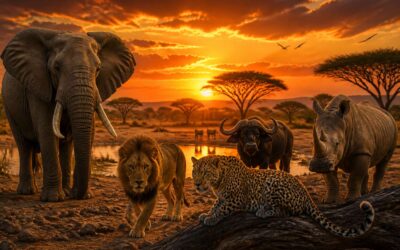
Safari operators remind travelers that the Big Five are more than icons—they’re chapters of Africa’s living lore. who is the big five? The question unites five storied species—elephants, lions, leopards, rhinos, and Cape buffalo—each embodying resilience, power, stealth, and memory. ‘They’re not trophies; they’re teachers,’ a guide once said.
Definition and contexts: The term originated among hunters and now follows conservationists, photographers, and ecotourists. In wildlife tourism, the Big Five anchor itineraries, influence camera choices, and shape park scripts across South Africa.
- Elephant
- Lion
- Leopard
- Rhinoceros
- Cape buffalo
Across South Africa, these five motifs infuse biodiversity talks with character, guiding conservation funding and ecotourism strategies that balance awe with stewardship.
Big Five in psychology: the five-factor model
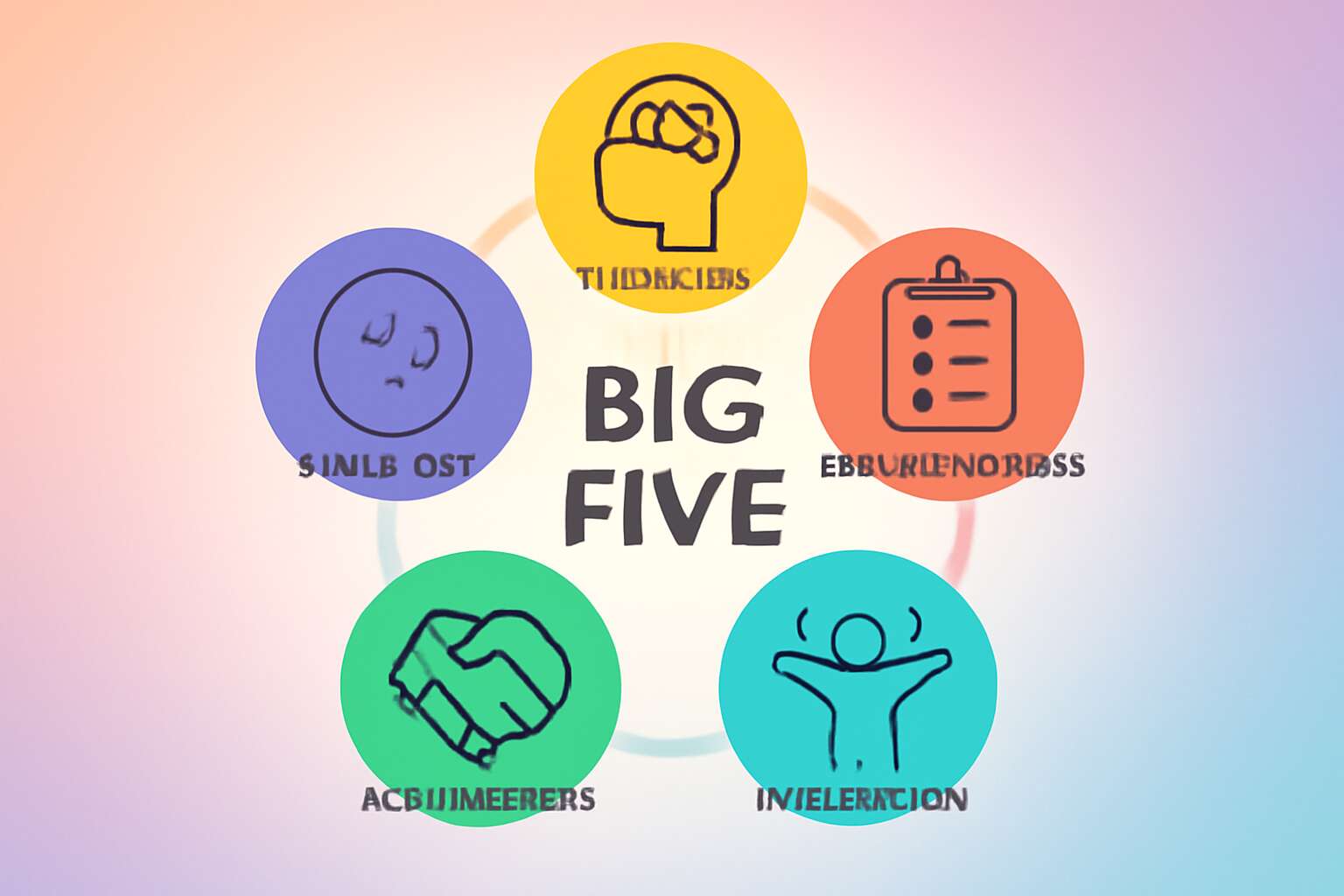
Who is the big five? In psychology, the Big Five—Openness, Conscientiousness, Extraversion, Agreeableness, and Neuroticism—stand as a stable map of human temperament. Across South Africa’s diverse workplaces and classrooms, this map helps teams interpret behavior, align roles, and spark growth.
Definition and contexts: The five-factor model grew from decades of research and now anchors inventories used by HR, educators, and coaches.
- Openness
- Conscientiousness
- Extraversion
- Agreeableness
- Neuroticism
In South Africa, the model guides talent development, education, and cross-cultural collaboration. Teams across South Africa reframe potential when this map is used with care!
These traits endure as cultural lenses, not cages, guiding how potential is measured and skills nurtured.
Big Five in business and finance: major players
Markets breathe with a five-part chorus. In business and finance, the Big Five aren’t celebrities; they’re the institutions that shape funding, risk, and opportunity. If you ask who is the big five, the answer points to five banks whose balance sheets write the tempo of South Africa’s economy.
These giants aren’t merely names; they are channels through which capital moves, credit flows, and regulatory standards ripple across industries. In the SA financial landscape, their influence touches every deal, from a startup’s first loan to a corporate bond issued in the morning light.
- Standard Bank
- ABSA
- FirstRand
- Nedbank
- Capitec
To watch these five is to watch the gears of a dynamic economy in motion—where trust, risk, and growth converge in the quiet arithmetic of balance sheets and boardroom decisions.
Origins and evolution of the term Big Five
Five names, one lineage. who is the big five? The phrase travels from safaris to boardrooms, carrying the idea that a handful of players can steer an entire field. It’s a hook that sticks because power tends to concentrate—and markets respond accordingly.
The term began with African safaris, used by hunters and guides to describe the five most dangerous quarry. Journalists later borrowed it to label dominant groups in other arenas. Over time, the Big Five came to symbolize not a fixed roster, but a pattern: visibility, influence, and velocity.
Contexts where the label appears now include:
- Finance and business ecosystems
- Media, technology, and broadband powerhouses
- Politics, policy, and regulatory corridors
Big Five in wildlife: Africa’s iconic species
Lions
Roars ripple across the savanna—loud enough to travel eight kilometres, and a male lion can tip the scales at up to 250 kilograms. In Africa, the lion stands as an iconic symbol of power, courage, and the continent’s enduring wild history.
Throughout South Africa’s reserves—Kruger, private conservancies, and coastal retreats—the lion anchors a broader story about habitat, balance, and human-wildlife futures. So, who is the big five? In safari lore, the lion often sits at the throne, its social life shaping the dynamics of the pride and the rhythm of the bush.
- Apex predator whose hunts hinge on cooperative pride tactics
- Complex social bonds with roles from cubs to matriarchs
- Conservation spotlight: habitat corridors and human-wildlife coexistence
These threads stitch the lion into South Africa’s wildlife narrative, where spectacle gives way to a deeper, ecological dialogue about living with wild, majestic ferocity.
Leopards
Leopards prowl through the dusk as the epitome of stealth—the kind of elegance that doesn’t shout, it observes. In Africa’s big five pantheon, they are the quiet disruptors, capable of hauling prey heavier than themselves into the shelter of a tree. This is where the conversation about who is the big five gains a velvet nuance: a solitary hunter whose tactics outpace bluster. Beautifully lethal!
They inhabit a mosaic—from savanna edges to forest corridors and rocky outcrops along South Africa’s reserves. Their success hinges on camouflage, patient ambush, and a home range that spans thornveld to coastal scrub.
- Stealthy, solitary hunters with a rosette-dappled coat
- Remarkable climbers that stash prey out of reach
- Diet and habitat flexibility across diverse terrains
Elephants
In Africa’s wildlife chorus, who is the big five? Elephants often claim the mic—titanic, thoughtful, and stubbornly charismatic. Weighing up to six tons, they move with patient gravity, their family lines and memories outlasting many seasons. In matriarch-led herds, generations share water sites, routes, and the etiquette of coexistence. It is this blend of grandeur and intelligence that makes elephants the centerpiece of the Big Five.
Their toolkit is astonishingly adaptable. Consider these traits:
- Matriarch-led herds guiding memory
- Trunk versatility for feeding and drinking
- Water-driven movements and seed dispersal
In South Africa’s reserves, elephants sculpt landscapes—creating trails, waterholes, and biodiversity corridors that sustain a thriving web of life. They are keystone stewards, quietly reshaping Africa’s future while enchanting observers and conservationists alike.
Buffalo
A living fortress on the veld, the African buffalo moves with patient, bullheaded gravity across the savanna. A herd can number in the hundreds, a rolling shield of muscle and mud. So, who is the big five? The buffalo answers with stubborn majesty, memory etched into their collective spine and echoing in every patient gaze.
- Implacable social bonds built around matriarchs
- Thick hide and crescent horns forming a natural shield
- Grazing-driven migrations tied to rain and waterholes
- Explosive temper when cornered, a reminder of their stubborn resilience
In South Africa’s reserves, these behemoths sculpt the landscape—traversing old trails, wallowing in clay, and shaping wetlands that cradle countless species. The buffalo’s quiet power keeps the savanna’s rhythms intact, a living anchor in the Big Five narrative and a reminder that strength is often steady, not loud.
Rhinos
Rhinos anchor the Big Five with armored presence and quiet resolve. In Africa, they embody resilience, a living relic of prehistoric armor. White and black rhinos roam South Africa’s reserves, where clay wallows and dew-lit mornings sculpt their outlines. Their horns—keratin spikes—define both myth and peril, yet these herbivores move with deliberate, almost ceremonial pace across savannas and thickets.
So, who is the big five? Rhinos stand as a stark reminder that size does not equate dominance. With thick hides, mighty horns, and memory for waterholes, they shape the rhythms of the veld and the wetlands that cradle innumerable species.
- Thick hide that deflects thorn and heat
- Keratin horns that define identity and deterrence
- Seasonal movements linked to rain and grazing
Big Five in psychology: the five-factor model
Openness to Experience
Curiosity is the spark that drives every breakthrough, and Openness to Experience is psychology’s answer to why some minds wander beyond the obvious. In the Big Five, Openness signals imagination, curiosity, and a taste for novelty that keeps ideas buzzing. When people ask who is the big five, this trait is often the most revealing doorway to culture and possibility!
Openness to Experience has six facets that shape how we perceive and respond.
- Fantasy
- Aesthetics
- Feelings
- Actions
- Ideas
- Values
In South Africa’s dynamic landscape, this trait colors education, business, and the arts, revealing how individuals approach novelty and insight.
Conscientiousness
Conscientiousness is the quiet engine behind consistent performance. In South Africa’s fast-moving economy, it signals reliability, meticulous planning, and the stamina to finish what you start. who is the big five? This trait often reveals itself as the practical backbone of classrooms and boardrooms alike, turning ambitious ideas into steady progress.
- Competence
- Order
- Dutifulness
- Achievement striving
- Self-discipline
- Deliberation
Its six facets shape daily choices and long-range outcomes, especially in settings where consistency matters. Across South Africa’s diverse workplaces, conscientious teams thrive on reliable execution and careful risk management.
Extraversion
South Africa’s labyrinthine offices hum like a midnight bazaar, where Extraversion flickers as the lantern of social momentum. In psychology, who is the big five? Extraversion marks the social pulse: talkativeness, assertiveness, and a craving for companionship that keeps conversations alive. It isn’t mere noise; it shapes leadership, teamwork, and the tempo of decisions. High Extraversion drains shyness and loads the room with energy, turning tight timelines into moments of shared momentum.
To understand its structure, see the facets that give Extraversion its glow:
- Warmth
- Gregariousness
- Assertiveness
- Activity
- Excitement seeking
- Positive emotions
In South Africa’s diverse workplaces, this trait shapes client-facing roles and collaborative cultures, balancing caution with charisma.
Agreeableness
Across psychology, the five-factor model maps how people relate to others and tasks. You may ask who is the big five in psychology, and Agreeableness is the social adhesive in that lineup. It covers warmth, trust, and a readiness to cooperate, shaping how teams harmonize and how leaders earn buy-in.
- Trust
- Morality
- Altruism
- Cooperation
- Modesty
- Sympathy
In South Africa’s workplaces, Agreeableness softens conflict, boosts client rapport, and keeps projects moving when timelines tighten. I see it standing alongside Openness, Conscientiousness, Extraversion, and Neuroticism as the backbone of the big five in psychology.
Neuroticism
The psyche’s weather report rarely stays calm. Neuroticism, a key strand of the five-factor model, tilts rooms with a single glance and gates the tempo of conversations. For those wondering who is the big five, Neuroticism anchors the mood map and reveals how emotion shapes outcomes.
Neuroticism captures emotional reactivity—tendencies toward worry, sadness, and irritability under pressure. In teams, it can sharpen vigilance and threat-detection, or spiral into rumination that slows decisions. Consider these facets:
- Heightened vigilance to potential threats
- Worry and rumination under pressure
- Self-consciousness in feedback and critique
Understanding this facet helps leaders craft psychological safety and channel energy into steady progress, even amid tight deadlines. In South African workplaces, the emotional climate matters as much as technical skill, shaping how projects weather storms and land softly on success.
The Big Five in business and technology
Alphabet (Google)
Across the corporate savannah, the Big Five in business and technology shimmer with rare intensity, and Alphabet (Google) sits at the center, weaving search, AI, and cloud into a single, luminous fabric. In South Africa’s bustling digital economy, Alphabet’s reach feels intimate—billions of queries answered daily and a magnet for developers, publishers, and brands alike. This is not mere dominance; it’s a choreography of data, curiosity, and ambition that reshapes how we work, learn, and connect.
So, who is the big five in the tech arena, and where does Alphabet fit in? It is a hub of intelligence, turning raw information into useful insight while steering the tools that power modern business.
- Search dominance and advertising ecosystem
- Cloud infrastructure and developer tools
- AI-enabled platforms and mobile ecosystem
Amazon
Across a global stage where data is the currency, the Big Five in business and technology command the spotlight. A sharp quote from a regional analyst frames it: the giants turn information into strategy, retail into platform, and cloud into lifeblood. So, who is the big five, and where does Amazon sit in this evolving map as South Africa’s digital economy accelerates!
Amazon anchors a force in search advertising, cloud infrastructure, and AI-powered tools that translate into real business outcomes for developers, publishers, and brands across the region.
- AWS cloud infrastructure and developer services
- Marketplace and e-commerce reach
- Advertising ecosystem and data capabilities
In South Africa, this isn’t just tech lore; it’s daily commerce, learning, and work shaped by the rhythm of these platforms.
Apple
On a global stage where data is currency, five titans turn insight into influence and Apple sits at the crest of modern innovation. who is the big five? A sharp regional analyst frames the scene: “giants convert information into strategy, retail into platform, and cloud into lifeblood,” and South Africa feels the ripple in every transaction and app download.
The roster spans devices, software, and infrastructure, a chorus that guides digital commerce and cloud-powered growth. The roster often includes:
- Apple
- Amazon
- Alphabet (Google)
- Microsoft
- Meta
In this South African moment, their influence tunes learning, commerce, and work across the digital economy.
Microsoft
In a market where data is currency, five titans steer the global trajectory—and Microsoft sits at the helm! So, who is the big five in business and technology today? The company blends enterprise software, cloud, and AI that turn complexity into clarity. In South Africa’s digitising economy, Microsoft’s cloud platforms and skills programs ripple through classrooms, shops, and boardrooms alike.
Its reach rests on several pillars shaping learning, commerce, and work across the digital economy:
- Cloud infrastructure and cybersecurity
- Productivity software and AI tools
- Developer platforms and Windows ecosystem
- Hybrid devices and gaming cloud services
From Pretoria to Port Elizabeth, the Microsoft narrative mirrors SA’s appetite for speed and resilience, and I see how a tech giant translates insight into platform and growth.
Meta
Five engines drive the modern economy, and Meta sits at the social fuse that powers the system. So, who is the big five in business and technology today? Meta blends social platforms with AI-driven advertising and immersive experiences, turning raw engagement into strategic insight that boards in Johannesburg and Cape Town read in real time. In South Africa’s fast-moving digital economy, Meta’s reach reshapes learning, commerce, and work across the rainbow nation.
- Social platforms and global audience reach
- Advertising technology and data-driven marketing
- AI-powered tools and platform integration
- VR/AR devices and immersive experiences
- Developer ecosystem and open partnerships
From Pretoria’s data streets to Cape Town’s start-up hubs, Meta’s influence is felt in classrooms, shops, and boardrooms, where insight meets speed in the pull of the digital present!


0 Comments