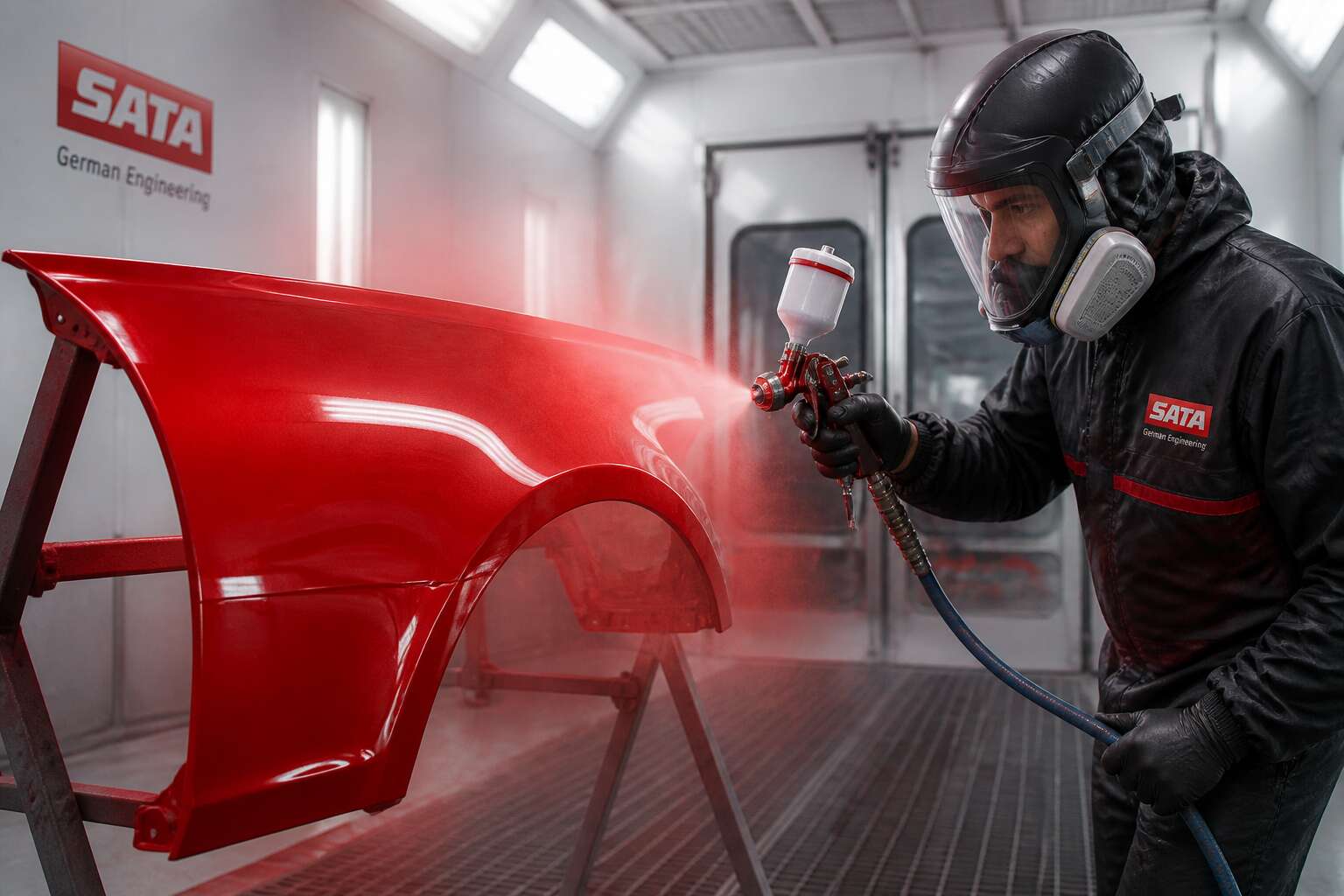
Understanding Professional Panel and Paint Services
What to Expect from Expert Panel Repair and Painting
Professional panel and paint services differ from DIY efforts in measurable ways. When you engage experts for panel repair and painting, the process begins with a thorough assessment of damage, colour matching, and surface preparation. This groundwork determines whether the final finish will endure South African sun and road grit. A big five panel and paint approach hinges on precision at every stage.
Expect a defined sequence:
- Damage evaluation and written quote
- Surface sanding and rust treatment
- Colour matched base coats and clear coat
- Final polish and quality inspection
We take pride in upholding big five panel and paint standards with controlled environments and factory grade materials. You can expect a seamless blend between repaired sections and original bodywork. Technicians provide a detailed timeline and warranty terms before work starts.
Comparing Do-It-Yourself vs Professional Panel Painting
The roadside repair kit promises convenience, but South African sunlight is unforgiving. A DIY rattle can job may look acceptable in the garage, then bloom with orange peel under the Highveld’s ultraviolet assault. Professional panel painting requires controlled humidity, specialist primers, and a matching clear coat. The cost of a big five panel and paint service covers paint, but also the preparation that sits invisible beneath the surface.
What DIY misses is depth:
- Harsh chemical stripping vs sanding
- Rapid oxidation after improper etching
- Colour drift between batches
DIY costs surpass the quoted professional fee when you factor in failed attempts and re-buying materials. The expert measures film thickness with a gauge; the hobbyist guesses. Engaging in panel and paint services means accepting the difference between a temporary patch and a lasting shell.
Common Applications for Panel and Paint Work in Automotive Care
A vehicle’s body panels face South Africa’s varied climate directly, from coastal salt spray to Highveld hail. Drivers seldom notice them until a scrape appears. Understanding professional panel and paint services means recognising the full scope of work behind a flawless finish. Damage assessment leads to metal straightening, filler application, and surface mapping with digital tools that catch imperfections invisible to the eye.
Common applications in automotive care extend beyond collision repair. Fleet operators use panel and paint work to maintain resale value, while classic car owners preserve original bodylines. Commercial vehicles often need partial resprays to match livery after signage removal or accident damage. The big five panel and paint approach covers every scenario with equal precision.
- Stone chip repairs on bonnets and roofs
- Door edge scuffs from tight parking
- Corrosion spots under window seals
Each application demands specific prep, making professional services the safer route.
The Value of Precision in Modern Paint Matching
Modern paint matching is a science of subtle perception. The human eye detects a colour shift of less than half a percent, yet a mismatched panel screams across a parking lot. Professional big five panel and paint operations rely on spectrophotometers to read the original colour code. That reading alone is never enough. Variables multiply:
- Metallic flake size and orientation in the base coat
- Ambient temperature shifting the drying rate of the clear coat
- The original factory blend and how it aged under South African UV
I have watched technicians spray test cards under different light temperatures before committing to a blend. The formulation matters, but so does the order of application. Base coats, pearl layers, and tinted clear coats interact differently with humidity. A dry spray creates a lighter flake effect. A wet coat darkens the whole tone. Proper blending extends into adjoining panels. That is where the value of professional big five panel and paint services becomes unmistakable.
Preparing Your Vehicle for a Panel and Paint Project
Assessing Damage: From Minor Scratches to Major Dents
Before a single panel sees the paint booth, a thorough damage assessment decides the entire trajectory of the work. For big five panel and paint projects, this stage is less about aesthetics and more about structural honesty. A scratch that catches a fingernail behaves differently from a dent that has creased the metal’s integrity. Rust hiding beneath a bubbling surface will eventually compromise the new finish, no matter how flawless the application. Sunlight is the best tool for this inspection. It reveals subtle undulations and old filler work that artificial light often misses. I always get on my hands and knees to check the lower sills and wheel arches. These are the zones where minor scrapes can disguise more serious corrosion issues that require immediate attention. Ignoring this preliminary work only transfers problems onto the new paint job.
Selecting Durable and Color-Correct Paint Products
Each hour of preparation saves three in the paint booth, a ratio that defines quality work. For any big five panel and paint undertaking, the surface must be flawless before the first coat. Sanding, cleaning, and masking all demand the same patience as the final clear coat.
The sequence matters more than the effort:
- Feather-edging every damaged seam to expose bare metal.
- Degreasing with a solvent that leaves no residue.
- Applying epoxy primer within hours of sanding.
Product selection hinges on the local climate. South African ultraviolet intensity breaks down cheap pigments quickly, so durable urethane paints with proven lightfastness are essential. Colour correctness requires a spectrophotometer reading, not a visual guess, because metallic flakes shift under different angles. Durability comes from the hardener ratio and recoat windows, details that separate a resale-ready finish from a weekend respray.
Budgeting and Timeline Considerations for a Smooth Workflow
Preparation defines any big five panel and paint outcome. Budgeting without contingency drains funds. Labour, materials, and the unseen rust beneath old panels increase costs. Timeline planning must respect paint chemistry, especially under South African sunlight.
I always build a workflow around drying times, not hopes. Disassembly reveals surprises. Check for previous repairs and hidden corrosion. Allocate extra days for primer and colour. That patience pays off!
- Confirm booth availability.
- Order consumables in advance.
- Include post-repair curing time.
A painter’s schedule follows physical laws.
Environmental and Safety Prep for the Workspace
Workshop preparation demands clean surfaces, good light, and a controlled atmosphere. For a big five panel and paint, the workspace determines the result before the spray gun clicks. South African conditions add their own temperament; dust arrives without warning and humidity interferes with drying times.
A proper bay requires:
– Sealed concrete floors that tolerate a wet-down
– Extraction fans to pull overspray away
– Lighting bright enough to reveal a pinhole from three metres
Your neighbours may judge an improvised garage setup, but that is a social matter. What matters more is safety, particularly fire prevention, because aerosol particles and open flames are poor companions. Keep the area clear of clutter, store solvents in approved containers, and confirm the extinguisher’s pressure gauge before starting. That small ritual costs nothing.
Gathering Necessary Documentation and Insurance Details
Preparation for a big five panel and paint project starts with paperwork. I have seen excellent repairs stall because the vehicle owner forgot to check their insurance excess or failed to photograph existing damage. Your car’s history matters as much as its bodywork.
Start with a thorough wash and interior clean. Remove valuables, personal documents, and any accessories that are not part of the car. This saves time and prevents disputes later. Then gather the essentials:
- Insurance policy number and excess amount
- Claim reference or accident report
- Proof of ownership and your ID
- Photos of current dents and scratches
South African insurers often require an assessor’s approval before certain panels can be stripped and painted. If you skip this step, the big five panel and paint process could be delayed or leave you out of pocket.
A Step-by-Step Guide to the Panel and Paint Process
Panel Replacement: Removing Old Panels and Fitting New Ones
Most paint failures trace back to poor panel fit. Removing a damaged section starts with locating the factory spot welds and drilling them out. Once the old panel is free, the exposed edges are ground down to bare metal.
Fitting the new panel requires patience. It is test-fitted several times, adjusted for gaps, and checked against door and bonnet alignment before welding. For a big five panel and paint job, this stage determines how the final colour sits on the body.
The removal sequence:
- Remove trim, mouldings, and lamps attached to the panel.
- Drill out the spot welds or cut through factory bonding.
- Separate the panel from the inner structure.
- Grind the joining surfaces clean.
Each step demands a steady hand. Rushing creates ripples under gloss. A proper repair leaves no trace once the paint is applied.
Surface Preparation: Sanding, Priming, and Masking Essentials
Surface preparation determines how well the final colour adheres. It is what separates an ordinary respray from work done to a big five panel and paint standard. Sanding starts with an 80 grit disc to strip the old clear coat, then progresses to 120 and 400 grit. Each stage removes the scratches left by the previous one. The goal is a uniform texture across the entire panel, with no glossy spots remaining.
Primer follows, filling pin holes and scuffs that sanding alone cannot correct. Masking requires slow, deliberate work around window rubbers, badges, and door shuts. A proper sequence:
- Clean the panel with a wax and grease remover.
- Apply primer and allow full flash time between coats.
- Sand the primer lightly with 600 grit before the topcoat.
Rushing these tasks leads to solvent pop and peeling later. The colour coat only reveals what is underneath, making this preparation stage the real basis of the entire job.
Techniques for Achieving a Flawless, Factory-Like Finish
One imperfect pass can ruin hours of preparation. That is why the big five panel and paint technique treats each spray as a deliberate act. I always wipe the panel with a tack cloth before the first coat. Then, I apply colour in thin, even layers, allowing full flash time between each pass.
- Mist coat for adhesion.
- Two wet coats with 50% overlap.
- Final coat after 15 minutes of flash.
Once the colour cures, wet sand with 2000 grit to eliminate orange peel. Then compound and polish. The final clear coat goes on in uniform, sweeping passes. This discipline separates a truly professional finish from a rushed one.
Curing and Drying: Why Patience Ensures Longevity
Patience during curing is where most rushed jobs quietly fail. After the final clear coat settles, the solvent needs time to escape the film. Interrupting this phase invites solvent pop, micro imperfections, and adhesion loss that shows up months later.
Heat accelerates drying, but only within limits. For the big five panel and paint workflow, I keep the workspace between 20 and 25 degrees Celsius. This range allows the clear coat to flow and level at its own pace. Forced heat beyond that risks baking the surface too quickly.
- The first 24 hours are soft. Handle nothing.
- Full hardness arrives after seven days.
- Wet sanding should wait at least 48 hours.
- Final polishing waits for the full seven.
This schedule feels tedious compared to the immediate satisfaction of a glossy finish. But rushing the drying phase is the fastest route to premature failure. The big five panel and paint approach rewards those who respect the cure window.
Quality Control Checks and Final Polishing
Quality control is the systematic audit before a vehicle returns to the road. I use raking light to catch imperfections invisible at a glance. The big five panel and paint workflow demands strict checks here.
- Inspect for solvent pop or dust specks.
- Check colour match under daylight and fluorescent light.
- Feel for a smooth transition at every panel edge.
Final polishing brings out the depth. Using a soft pad with a fine finishing polish, I work in overlapping passes. Wipe away residue with a clean microfiber cloth. The panel now holds the clarity of a fresh factory coat.
Maintaining Freshly Painted Panels for Lasting Results
Proper Washing and Drying Techniques to Protect the Paint
The first wash reveals the truth of your investment. After a professional big five panel and paint service, the surface reflects the patience of that work, but impatience in maintenance can undo it all. Water carries grit that abrades the surface.
Protecting the paint demands a deliberate method. Use two buckets, one for soapy water, one for rinsing your mitt. Work top to bottom. Dry with a microfiber towel using a patting motion, never dragging.
- Always use a pH-neutral soap.
- Rinse before touching the panel.
- Dry immediately to prevent mineral deposits.
Proper washing is a series of deliberate actions. Each pass is a decision. I have seen too many finishes ruined by a single careless swipe! The weight of your hand, the quality of your cloth, they all matter. Ignore this and the protective layer erodes.
Applying Wax and Sealants for Extra Defense
A freshly painted panel remains chemically active for days after the final buff. The big five panel and paint service leaves a finish that demands more than passive admiration. Sun exposure, bird droppings, and roadside dust all assault the clear coat before it fully matures. Maintaining freshly painted panels means monitoring this vulnerable period with deliberate care. Wax and sealants extend that defense, creating a sacrificial barrier against the elements.
Here is what those products actually do:
- They fill microscopic pores in the clear coat.
- They repel water before it can etch the surface.
- They slow oxidation from ultraviolet rays.
A sealant bonds harder than wax, lasting through more washes. The paint must cure completely before either product touches the surface. Protection is only as reliable as the patience behind it.
Avoiding Common Pitfalls That Lead to Chips and Scratches
Freshly painted panels reward deliberate habits. The big five panel and paint finish endures when you sidestep the everyday hazards that chip and scratch. Gravel roads at speed fling stones into the clear coat. Automatic car washes with stiff brushes drag grit across the surface. Parking beneath a jacaranda invites sap and falling twigs.
The usual suspects are easy to identify once you know where to look:
- Driving too close to the vehicle ahead on a dirt road
- Resting a toolbox or a handbag against the fender
- Using a chamois that has picked up sand
- A stray cricket ball in the driveway
Each small impact leaves a mark. Left unchecked, those marks become rust. The big five panel and paint service provides a surface worth protecting, yet a stone chip arrives without warning and a careless elbow leaves a key scratch. The finish asks for a certain vigilance.
When to Consider Professional Touch-Up Services
A stone chip can strip the clear coat at 120 kilometres per hour. On a South African highway, that happens in a second. The big five panel and paint finish asks for a monthly inspection, thirty seconds with good light.
Look at each panel from an angle. A chip that exposes bare metal is the urgent one. Primer showing means time is on your side, but not by much.
– Chips smaller than a match head respond to a professional touch up service with layered application.
– Chips down to the metal need sanding, priming, and blending.
– Clear coat peeling around the edges of a chip calls for a full respray.
DIY touch up pens work on garage floors, not on metallic finishes. A professional blends the colour into the surrounding clear coat so the repair becomes invisible. That is the difference between a lasting big five panel and paint finish and a scar you explain at every braai.
Seasonal Maintenance Tips for Climate Resilience
The Highveld summer sun does not respect a fresh spray job. Ultraviolet radiation breaks down urethane bonds in the clear coat, and a panel that looked wet in March can turn chalky by November. Big Five panel and paint holds up, but only when you adjust for the season. In Johannesburg, that means parking out of direct light for the first two weeks after application. In Durban, salt air settles overnight, so a morning rinse before driving matters more than a weekly wash.
Winter brings a different strain. Cold overnight temperatures slow the curing process, and morning dew traps contaminants. A quick wipe with a microfiber cloth before the sun hits the panel prevents water spots from etching the finish.
- Highveld: shield panels from midday UV and dust storms.
- Coastal: rinse salt spray daily, then dry it off.
- Winter mornings: clear dew before it dries on the surface.
The big five panel and paint approach treats seasonal strain as part of the specification. Adapt your care routine to the weather, and the gloss stays intact.
Warranty and Guarantee: Understanding What Is Covered
Most vehicle owners assume a warranty covers any paint failure. The reality is more specific, and it matters! Big five panel and paint warranties protect against defects in workmanship, not damage from neglect or environmental exposure. Understanding that distinction saves frustration later.
A freshly painted panel requires a settling period. During this time, the clear coat remains vulnerable to pressure washing, abrasive cloths, and bird droppings. The warranty conditions often specify acceptable care methods.
Here is what a standard big five panel and paint guarantee typically includes:
- Peeling or delamination caused by poor surface preparation
- Fading or discoloration from substandard materials
- Clear coat failure unrelated to physical impact
Claims often get rejected when owners cannot prove routine care. Records of washing products and frequency strengthen a claim if the finish fails prematurely.
Selecting the Right Panel and Paint Provider for Your Needs
Key Qualities to Look for in a Trustworthy Auto Body Shop
Choosing the right auto body shop determines whether your vehicle emerges with a factory-like finish or a patchy compromise. In my experience, the big five panel and paint process demands providers who invest in both equipment and skill. That investment shows in every layer, from the primer to the final clear coat.
Look for these qualities in a trustworthy panel beater:
- Certified technicians who understand modern paint systems and matching.
- A dedicated spray booth with temperature control and proper ventilation.
- Transparent quotes that list every stage from sanding to polishing, with no hidden fees.
Verify that the shop handles big five panel and paint work regularly. Ask about their colour matching technology, since precision prevents mismatched panels. A provider who communicates timeline gaps clearly sign of reliability. That separates a professional from a guesser.
Questions to Ask Before Signing a Contract
Selecting a provider for big five panel and paint work is a decision that carries weight. A poor choice can haunt you for years, surfacing as mismatched hues or premature rust. The right professional, however, operates with a quiet precision that feels almost surgical. When I walk through a shop, I look for the small signs. The way a technician holds a spray gun, the condition of the mixing room, the absence of dust in the air. These details tell you more than any glossy brochure ever will.
The contract is your safeguard. Before you sign, you need to know exactly what happens to your vehicle. Ask pointed questions about the paint system they use. Enquire about the primer stages and the number of clear coat layers. A vague answer suggests a vague process. You want a provider who treats the big five panel and paint repair as a craft, not a rushed job.
– What is the exact timeline for each stage, from stripping to final polishing?
– Will the final colour be matched using a spectrophotometer or a visual comparison?
– Are there any additional charges for removing trim, mouldings, or door handles?
– What is the warranty on the paintwork, and what does it cover in terms of fading or peeling?
Each question serves a purpose. They force the provider to commit to a standard. The responses you receive will reveal whether they rely on guesswork or on established procedures. The atmosphere in the consultation room often mirrors the quality of the workmanship. If they cannot communicate clearly about the process, they likely cannot execute it clearly either. In South Africa, where the sun is unforgiving and the roads are harsh, the choice of a panel and paint specialist is not a luxury. It is a necessity for preserving the vehicle’s structural integrity and its resale value. The contract is your map through the process, and the questions you ask are the compass. Choose a partner who welcomes the scrutiny.
Reading Reviews and Evaluating Before-and-After Portfolios
A paint job reveals its true character months after the polish wears off. Reviews and before-and-after portfolios give an early glimpse of that character. In South Africa, where ultraviolet exposure and gravel roads test every repair, studio shots tell you little. I look for images captured in natural light, showing alignment and surface texture.
Reading reviews demands similar scrutiny. Patterns matter more than isolated praise. A provider with hundreds of reviews and a steady four-star rating often beats one with a handful of glowing testimonials. Search for comments about curing times, warranty claims, and post-repair service.
- Photographs from multiple angles in daylight
- Reviews naming specific vehicles and colours
- Mentions of dust contamination or panel gaps
The best reviews cover the big five panel and paint job, from stripping bay to final buff. That detail separates a genuine big five panel and paint operation from a sales pitch.
Comparing Quotes: Balancing Cost and Quality
In South Africa, a cheap quote often hides expensive compromises. A low estimate can be tempting, but it rarely covers the full scope of work. In my experience, the big five panel and paint process rewards those who compare quotes with a clear head.
Cost matters, yet quality carries the real cost. I have seen quotes that skip essential steps like rust treatment or clear coat thickness. When comparing, look for:
- Line items for each panel
- Paint brand and colour code
- Curing time included
A slightly higher quote for big five panel and paint often means better materials and labour. Balance the numbers, but trust the detail.
Checking Certifications, Insurance, and Industry Affiliations
Choosing who handles your big five panel and paint work should feel like due diligence, not gambling. In South Africa, the market holds both meticulous professionals and opportunistic fly by nights. I have seen both up close. You separate them with pointed questions. Walk in expecting paperwork. A legitimate operator offers:
- Proof of certification from recognised training programmes
- A valid insurance certificate covering their liability and your vehicle
- Membership in industry bodies relevant to panel repair
Each item tells a story around trust. Certifications show craft properly learned. Insurance proves preparation for accidents. Affiliations mean accountability beyond a personal reputation. Providers missing these credentials might quote lower, but the gamble occurs on your car. Verify first. This is how you find a reliable big five panel and paint partner. Credentialed shops brag openly. The others offer excuses.



0 Comments