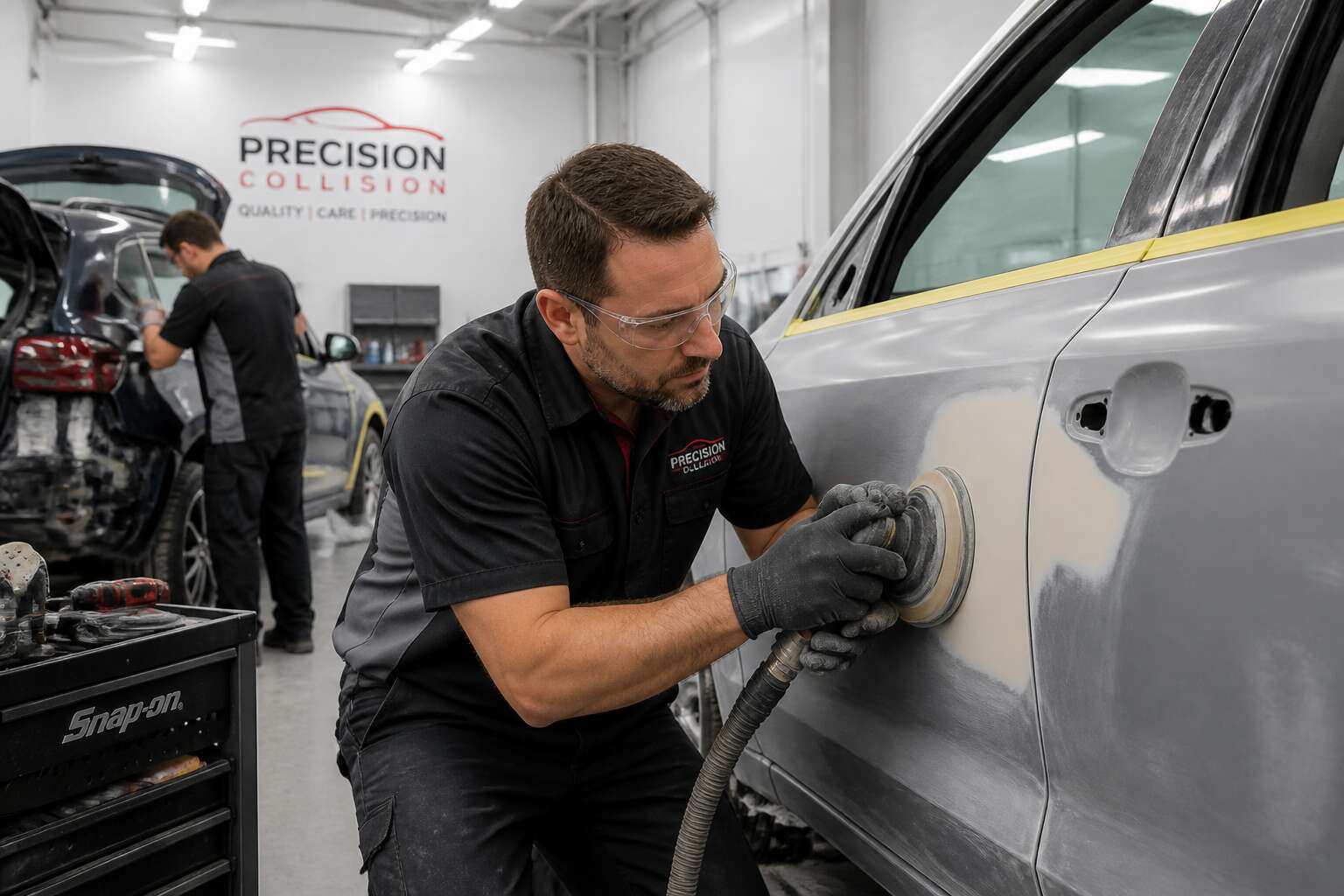
Choosing a Reliable Panel Beating Expert
Industry Certifications and Accreditations
In the world of collision repair, credentials separate the meticulous from the makeshift. South African consumers increasingly seek out big five panel beaters, a term that implies both volume and excellence. Yet a flashy reputation means little without documented proof of competence.
Certifications from bodies like the Retail Motor Industry Organisation and the Motor Industry Workshop Association carry real weight. They signal that technicians receive ongoing training and that equipment meets safety standards. Insurance companies also rely on these accreditations when approving claims, so a certified shop can save you administrative headaches.
- Verify current membership status with the relevant industry body
- Check whether the workshop holds manufacturer specific certifications
- Request proof of compliance with South African health and safety regulations
Accreditations expire and evolve. Ask how often the workshop updates its qualifications. Genuine big five panel beaters treat certification as a continuous commitment, not a faded certificate on the wall.
Advanced Repair Equipment and Technology
Advanced repair equipment defines a reliable panel beating expert. A workshop claiming big five panel beaters status must demonstrate more than skilled hands. Modern vehicles carry sensors and structural designs that fail under guesswork.
Laser measuring systems check frame alignment to tenths of a millimetre. Diagnostic scanners communicate with onboard computers to locate hidden collision damage. Downdraft spray booths maintain stable temperature for paint application.
I always verify that the workshop updates its software regularly. Outdated calibration files compromise safety and fit. This technology separates true professionals from those relying on old methods. A commitment to advanced equipment means stronger repairs for your vehicle.
Experience with Different Vehicle Makes
Ask any seasoned estimator: a BMW 3 Series and a Ford Ranger can fold along the same crease, yet their repair paths diverge completely. One demands aluminium-specific riveting, the other needs high-strength steel pull techniques. Hands-on familiarity with multiple vehicle makes separates a true specialist from a generalist. Workshops that qualify as big five panel beaters often cycle through dozens of marques each week.
When a workshop handles Japanese hatches and German performance sedans, technicians build a catalogue of manufacturer-specific quirks. They know which panels use structural adhesives and which use spot welds. They recognise that a Toyota’s paint code behaves differently under heat than a Land Rover’s. I’ve seen this fluency separate big five panel beaters from the rest, showing up in final shut lines and panel gaps.
- Reading OEM repair manuals for each variant, including the base model
- Identifying material differences between steel, aluminium, and composite panels
Customer Service and Warranty
When you walk into a workshop, watch how they treat your questions. A real specialist explains the repair path in plain language, from the parts to the timeline. It is honesty under pressure that separates a dependable shop from a gamble. The workshops that earn the name big five panel beaters do not hide behind vague reassurances.
Warranty is where trust is tested. A written guarantee should be specific:
- Coverage for paint, structural panels, and replacement parts
- A clear time period with no ambiguous wording
- A defined process for follow-up claims
If a shop hesitates to commit terms to paper, that hesitation is your answer. Reliable means the work stays true long after you drive away.
Essential Services for Collision Repair
Paintless Dent Removal (PDR)
A severe hailstorm can leave hundreds of dents on a single car. Paintless dent removal erases those marks without filler or paint, preserving the factory finish and the vehicle’s value. A technician with a steady hand works the metal back to its original line.
The PDR process at big five panel beaters starts by assessing the dent’s depth and the metal’s memory. Technicians use specialized rods and glue pulling systems to coax each depression outward. The goal is a surface so smooth that no shadow reveals the damage was ever there.
Essential services include:
- Repair of large hail damage on bonnets and roofs
- Removal of door dings and creases without harming the paint
- Restoration of bumpers and fenders to original contours
This approach saves time and keeps the vehicle close to its original state.
Spray Painting and Color Matching
After the metal is true again, the paint must follow. At big five panel beaters, colour matching begins with an optical scan of the original pigment. Age, sun, and weather shift a car’s finish over time, so the formula needs more than a factory code. A trained eye makes the final call, blending tone and texture until the new panel disappears into the old.
Spray painting itself is a controlled ritual. Dust, humidity, and temperature can spoil a finish in seconds. At big five panel beaters, the booths stay sealed and clean, and technicians lay down several thin coats instead of one heavy layer. The painted surface must reflect light with the same depth as the surrounding metal.
Where a repaired panel meets an untouched one, blending across the seam is essential. It is the difference between a car that looks fixed and one that looks whole.
Frame Straightening and Alignment
A bent frame hides beneath straight panels. At big five panel beaters, the process shifts to the measuring bench. Technicians compare the current geometry against manufacturer datum points, checking the rails, pillars, and floor pan for deviation. Hydraulic pulling towers apply calibrated tension, drawing the metal back to specification one careful pass at a time.
Alignment demands repeated verification. Each pull requires fresh readings across:
- suspension mounting holes
- wheelbase length
- door and boot opening gaps
The measuring system registers shifts in the structure down to fractions of a millimetre. When the numbers line up, the shell sits stable and ready for the next stage.
Auto Glass Replacement
According to the Auto Glass Safety Council, the windscreen provides up to 30 percent of a vehicle’s structural integrity in a frontal collision. That means auto glass replacement is never a cosmetic afterthought. A cracked pane alters the shell’s load path, and the adhesive seal carries real force during a rollover.
At big five panel beaters, the team approaches glass with the same measured discipline as alignment work. Old adhesive gets fully ground away, not scraped clean. The pinch weld is primed with a compatible system, and the new glass is set using spacers that respect factory gap tolerances. Each installation follows a specific sequence:
- Leak test the aperture before bedding
- Confirm the correct acoustic and tinted glass grade
- Calibrate lane keeping sensors that mount near the mirror base
Glass replacement interacts with everything else in the repair. Accurate panel gaps mean the windscreen sits flush. A properly pulled frame keeps the door seals aligned. When the shell is right, the glass simply finishes the job. That is the real value of a full service shop over a quick fit outlet.
Insurance-Assisted Repairs
For most car owners, an accident is the start of a paper trail. The essential services for collision repair insurance-assisted repairs extend beyond the workshop floor. At big five panel beaters, the team manages the entire claim lifecycle, from the initial damage assessment to the final sign-off from your insurer. They photograph every panel, compile itemised quotes, and submit them using the correct provider codes. This reduces the back-and-forth that often delays payouts.
Communication is another layer. Repair updates are logged daily, so you and the assessor stay aligned. The process follows a clear sequence:
- Assess the damage and verify policy cover
- Order approved parts and schedule the repair
- Document each step with photographic evidence
- Coordinate the final inspection with the assessor
Because these shops work with multiple insurers, they know which procedures prevent claim rejections. That knowledge saves you time and prevents surprise costs. Such efficiency is why big five panel beaters are preferred for insured repairs.
Signs That Identify a Top-Tier Repair Shop
Transparent Quoting Process
A top-tier repair shop presents its estimate as a binding promise. When you walk into any of the big five panel beaters, the quoted price should mirror the final invoice with eerie precision. I have seen workshops that add surprise charges for consumables or unforeseen labour. That signals trouble! Instead, a transparent quoting process breaks down every component. Look for itemised line entries, clear parts pricing, and a written timeline.
Also, watch for these signs:
- They inspect the vehicle before quoting, never over the phone.
- They explain each repair step in plain language.
- They offer a fixed quote that holds for a stated period.
Such clarity builds trust, and it separates reputable establishments from unreliable ones.
Established Industry Reputation
What separates a workshop that closes after one year from one that still operates decades later? Reputation. In South Africa, the big five panel beaters have earned their standing through persistence. They survived economic downturns, shifting insurance policies, and demanding customers. Their names come up in conversations at traffic lights and braais.
How do you verify this reputation? Ask about the shop’s history. Check how long they have operated in the same area. Longevity is proof of consistency. A shop that keeps its doors open for ten years has satisfied enough people to stay in business.
Look for these indicators:
- Long-standing relationships with insurance providers and parts suppliers.
- A steady flow of repeat customers returning for different vehicles.
- Recognition from local business associations or industry bodies.
Word-of-mouth carries weight. If a neighbour mentions the same workshop twice, pay attention. Also check the shop’s standing with the Motor Industry Ombudsman. A clean record there means more than any advert. Established reputation gives you the confidence to hand over your keys without second-guessing yourself.
Quality of Replacement Parts
A top-tier repair shop treats replacement parts like a chef treats ingredients. You will not find bargain bin fenders or pirated brake pads in a reputable establishment. When a panel beater quotes you for a part, ask to see the box. Genuine parts carry branding that is hard to fake, and the workshop will gladly show the evidence.
Signs of quality parts:
– The shop uses OEM or approved aftermarket components.
– They show you the old parts versus the new ones.
– They explain why a specific brand suits your vehicle’s engineering.
The big five panel beaters have suppliers who deliver quickly because they pay properly. A repair shop that argues over R50 for a bolt likely skimps on structural pieces. Your car’s safety depends on more than paint. Quality parts restore the crumple zones, not just the shine.
Detailed Written Estimates
A detailed written estimate is the first promise a repair shop makes. The big five panel beaters present this document as a binding reference. Every line item, from labour hours to consumables, appears with a price. Vague terms like “miscellaneous” or “sundry parts” should not appear.
Ask for the estimate to specify the replacement method. Does the quote include blending paint or a full panel respray? What about wheel alignment after suspension work? A top-tier shop lists each step, so you never face surprise charges.
- They mark each part as OEM, approved aftermarket, or used.
- They note the estimated completion date and the warranty terms.
- They separate labour costs from part prices.
Cost Factors and Budget Planning for Panel Repairs
Extent of Damage and Labor Time
Two hours of labour versus five days. That is the gap between a minor dent and a structural collision. The extent of damage determines your final bill more than any other variable. Panel beaters in South Africa typically charge between R350 and R850 per hour depending on the workshop’s overheads and technician expertise.
When budgeting, consider the hidden costs that inflate quotations. Preparation work, sanding materials, and environmental fees add up quickly. Big five panel beaters provide breakdowns that separate parts from labour, which helps you see where your money goes. Be wary of estimates that understate labour hours. A cheap quote usually signals compromised work.
Common cost factors include:
- The panel’s location and accessibility
- Whether new or aftermarket parts are needed
- Paint matching complexity for metallic finishes
These variables shift the final price substantially. Getting three itemised quotes from big five panel beaters remains the smartest way to understand your repair costs.
Type of Paint and Materials Used
Paint on a resprayed panel can eat up to a third of your material budget, though it rarely gets its own line in a simple quote. The film is actually a system: primer, base, and a clear coat, each carrying its own litre price, hardener, and booth time. The pigment itself matters as well. A solid colour takes one pass, a pearl or metallic takes three or more, and every extra pass multiplies materials and energy.
Big five panel beaters list the full product breakdown so you can see where the money goes. That transparency keeps you in control, not catching up on one of these lines later.
Typical categories you’ll run into:
- Single stage enamel: low cost
- Base and clearcoat: the standard route
- Tri coat pearl: steep materials and labour
Cheaper coatings can pass a sparkle test at handover but fail in the sun. A stripped debond is a stiff aftermath. At big five panel beaters, the paint type is documented, so the chemistry matches the charge.
OEM vs. Aftermarket Parts
A single fender can cost three times more from the original manufacturer than from a well made alternative. That gap defines the budget debate. OEM parts carry a flawless fit and factory corrosion protection. Aftermarket parts offer savings but demand more careful inspection from the fitter. Big five panel beaters weigh both against your vehicle’s age and insurance tolerance.
- OEM availability and lead time
- Aftermarket panel gauge and seam alignment
- Paint transfer between old and new surfaces
A shop that rushes the decision often reworks the panel later. The honest estimate separates the part cost from the labour of fitting it, so you know exactly where each rand lands.
Geographic Location and Shop Overheads
Across Johannesburg, the difference between a precise repair and a botched one comes down to geography. Rent in Sandton pushes hourly rates upward, while a workshop in Germiston can offer the same labour for less. That gap is not price gouging. It is the cost of staying solvent. Big five panel beaters calculate their overheads before quoting, so a low estimate should raise suspicion.
Equipment leases, insurance, and waste disposal fees are invisible to the customer, yet they shape every invoice. Location changes access to suppliers, which affects part delivery times. A shop with a spray booth and chassis jig carries fixed costs that a backyard operation does not. An itemised breakdown must show:
- Labour rate per hour, adjusted for shop location
- Consumables and workshop rental allocation
- Logistics surcharges for parts sourced outside the city
If the quotation ignores these details, I have watched drivers pay twice for a dent!
Insurance Deductibles and Claim Process
Insurance deductibles are the part of the repair bill you never see coming. You budget for a minor scrape, then the assessor reveals your excess is higher than the quote. Big five panel beaters will often guide you through the claim process before any work begins, which saves you from that nasty surprise.
Budget planning for panel repairs means asking about the excess structure upfront. Some policies require you to pay the workshop directly, while others settle with the insurer. A good shop explains both scenarios.
- Check your excess amount before approving repairs
- Ask if the workshop submits the claim or if you must handle it yourself
That first step prevents an awkward phone call to your bank manager.
Warranty and Guarantee Implications
Most repair quotes deserve a second glance. The true cost of panel beating settles into details like labour hours, paint grade, and whether that replacement door arrives from Durban or Germany. Big five panel beaters price honesty into their estimates, which means your budget forecast survives the final invoice.
Warranty implications change the mathematics entirely. Fit a budget aftermarket bumper to save R800, and you may watch your vehicle warranty evaporate! Ask about part classification before signing. Some guarantees even require the workshop to handle the claim process themselves.
- Request the part source in writing
- Confirm whether the repair warranty transfers with resale
- Ask how hidden damage affects your final estimate
Your wallet and your peace of mind appreciate that level of detail.
Common Questions About Professional Panel Repair
How Long Does Typical Bodywork Take?
How long does typical bodywork take? That is the question we hear most often at big five panel beaters. The honest answer depends on the damage’s depth. A minor door ding might be finished in a day. A collision with structural harm can take two weeks or longer.
Consider what happens behind the workshop doors. The vehicle must be stripped, aligned, filled, primed, and painted. Each stage has its own curing time. Rushing the process only leads to poor adhesion or mismatched paint.
At big five panel beaters, we break the timeline down this way:
- Assessment and quoting: 1 to 2 days
- Parts ordering: 2 to 5 days
- Panel repair and prep: 3 to 7 days
- Painting and finishing: 2 to 4 days
Weather also plays a role. Humidity slows paint drying. That is why we rely on experience rather than guesswork. We will always call you before the work begins. So while we can estimate, we never promise an exact hour.
Does a Panel Shop Offer Mobile Services?
You might be wondering if our mobile unit can swing by your driveway for that dent. That is a fair question. The short answer is that we keep our equipment anchored to the workshop floor. Precision work requires a controlled environment. Dust, wind, and rain do not mix well with fresh primer.
A mobile service sounds convenient, but it often sacrifices quality. We prefer to strip, align, and paint under regulated lighting. That said, we have a network of trusted tow partners. If your car cannot drive, we can arrange collection. Ask about the logistics when you book your assessment with big five panel beaters.
– Digital color matching only works with calibrated screens inside the shop.
– Baking or curing ovens cannot be transported.
– Dust extraction systems are built into the booth.
These tools matter. Your car deserves the full setup, not a patch job in a parking lot. We can still handle the pickup and delivery. Just call ahead and we will sort the transport. That keeps the repair standard high.
What to Do Immediately After an Accident?
The moments after a collision are disorienting. Traffic shifts around you and your heart rate spikes. What you do in those first minutes shapes the entire repair journey ahead.
- Move to a safe area if the vehicle remains drivable.
- Exchange contact and insurance details with the other driver.
- Photograph the damage from every angle.
- Report the incident to your insurer without delay!
Documentation matters more than most drivers realise. The sequence of events, road conditions, and weather patterns all influence the final assessment. When you sit with big five panel beaters, that evidence gives us a clear picture of what occurred and streamlines the quote dramatically.
How to Prepare Your Vehicle for Repairs?
The majority of drivers only consider the exterior damage, but the interior of your vehicle plays a silent role in the repair timeline. A boot cluttered with sports gear or a back seat covered in dog hair might seem harmless, yet it can compromise the technician’s workspace. When you hand your car over to big five panel beaters, they need unhindered access to every panel and sensor. Clearing out your personal belongings before drop-off is not just about politeness; it prevents items from being damaged by dust or accidentally discarded during the workshop shuffle.
Professional repair involves more than just hammering out dents. Sophisticated equipment and calibration tools require a clean environment to function accurately. If your vehicle is packed to the roof, the team must work around your possessions, which slows down the process and increases the risk of oversight. Take the time to remove all valuables, including the obvious ones like laptops and sunglasses. Also consider the less obvious:
– Child car seats, which can obstruct access to the rear panels
– Floor mats, which might trap debris and interfere with the paint curing process
– Aftermarket accessories like phone mounts or dash cams that could be in the way
A thorough preparation phase signals to the assessment team that you are engaged and cooperative. They can then focus on the structural integrity of the car rather than babysitting your cargo. Furthermore, a clean interior allows for a more accurate final inspection. It ensures that any pre-existing tears in the upholstery are noted before the work begins, preventing disputes down the line. The goal is to make the vehicle a blank canvas for the skilled hands at big five panel beaters, ensuring the only story told is the one about the impeccable repair, not the remnants of your road trip snacks.




0 Comments